

- Tarique Seeks Japanese Support for Energy, Tech and Infrastructure |
- Japan eyes 1 trillion yen investment in Bangladesh over 5 years |
- Dhaka Among World’s 11 Most Polluted Cities on Tuesday |
- Tide Rising, Time Running Out For Coastal People, Wildlife |
- Dhaka Turns To Solar As Fuel Crisis Turns Power Plants Idle |
85% of Singaporeans Fear Rising Costs as Food Delivery Shrinks
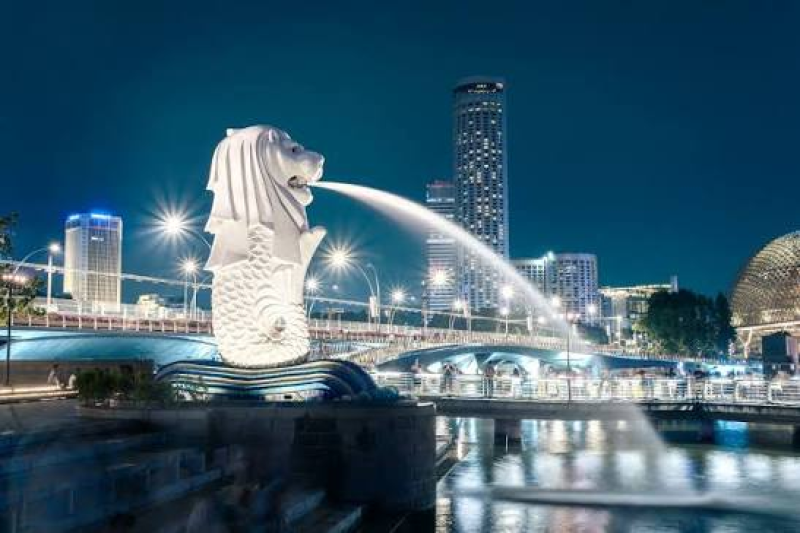
Singapore - iconic image - Unspalsh
• New Blackbox Research report reveals seven-in-ten food delivery consumers in Singapore abandon orders over unexpected fees, with market concentration threatening the core "delivery deal".
SINGAPORE – Media OutReach Newswire – 16 September 2026 – Food delivery is now firmly embedded in everyday life for nearly two in three Singaporean households (64%), but convenience alone is no longer enough. From choosing a restaurant to checking out and receiving an order, Singapore consumers expect meaningful choice, clear value, and an excellent experience - and they are counting on healthy market competition to protect all three.
However, following Deliveroo's market exit in March 2026, a new consumer study by Blackbox Research reveals widespread apprehension that this three-way expectation is breaking down. With the sector effectively consolidated into a two-player market, consumers increasingly view platform surcharges, markups, and exclusivity arrangements as direct cost-of-living pressures.
Key findings from the study of 1,001 active delivery consumers include:
• Fears of Rising Charges: 85% of consumers fear higher delivery charges, whilst 84% expect steeper menu prices and higher platform fees as a direct consequence of reduced competition.
• Checkout Cart Abandonment: Over two-thirds of consumers (69%) have abandoned an order at checkout in the past three months due to surprising late fees.
• A Narrowing Duopoly: Over nine in ten active users (92%) now default to either GrabFood (85% reach) or foodpanda (66% reach). Consequently, 57% of consumers believe their genuine choices have shrunk.
• Demand for Open Menus: 83% of consumers think restaurants should be listed across multiple delivery platforms rather than locked into single-app arrangements.
• Merchant Pressures: 72% believe fewer platforms leave local restaurants with higher commission costs or weaker commercial terms, which are ultimately passed back onto consumer checkout bills.
David Black, Founder & CEO of Blackbox Research, said: "Food delivery has become an essential weekly routine for most households, and Singaporeans have very clear expectations around what makes that worthwhile: meaningful choice, fair value, and reliable service. But there is genuine anxiety across the market. Everyday delivery users fear that without vigorous competition, they will be left to pick up the tab - whether in dollars and cents or through a deteriorating experience. When delivery apps feed the majority of households, platform pricing practices become a direct, everyday cost-of-living concern."
The Final Tab: What It All Adds Up To
Choice, value, and service are not separate expectations. All three rely on platforms continuing to compete actively for each order. If that competitive pressure weakens, consumers expect fewer options, higher costs, and poorer service - whilst local food businesses face an even tighter squeeze.
The full report, Hungry for Choice: Are Singapore's consumers and food businesses paying the price of reduced competition in food delivery?, is available for download here.
About the Study & Methodology
This study combined quantitative consumer polling with interviews with industry experts:
• Quantitative Survey: Fielded online in July 2026 among 1,001 active food delivery consumers aged 18 and above in Singapore who ordered via an app within the preceding three months. The sample closely mirrors national demographics by age, gender, income, and ethnicity.
• Expert Interviews: Conducted in August 2026 with five independent specialists across competition economics, platform operations, SME commerce, and public policy.
- Press release