

- UNGA President Urges Four Steps for Rohingya Justice |
- Fugitives can’t be brought back from Delhi through violence: Kobir |
- ICJ asks Myanmar: cease violations, prosecute perpetrators, take back-compensate Rohingya |
- Dhaka Ranks 13th Among World's Most Polluted Cities on Friday |
- Petrol Bomb Allegedly Hurled at State Minister's Home |
82.6% of Rohingya Youths Willing to Return if Rights Ensured
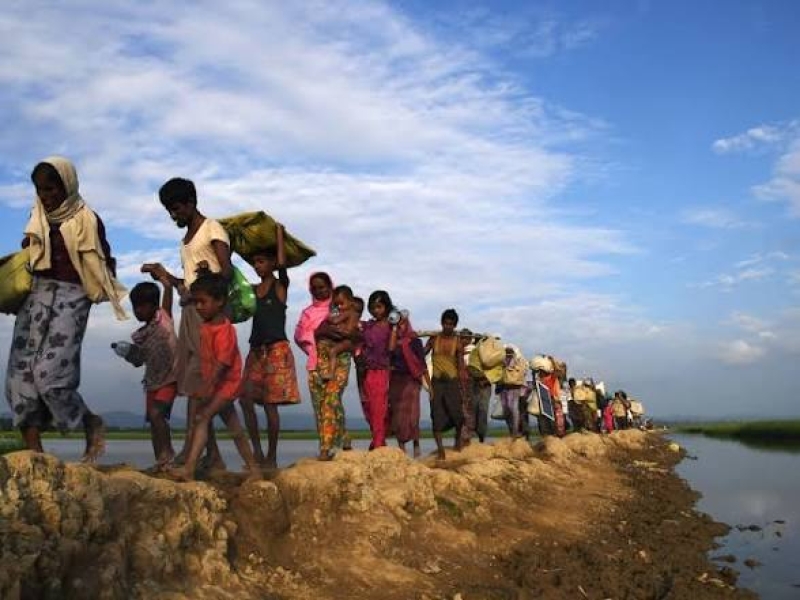
As many as 82.6% of Rohingya youths living in refugee camps in Bangladesh are willing to return to Myanmar if the country guarantees them citizenship and equal rights, according to a study conducted by BRAC.
The findings were presented at a policy dialogue in Dhaka on Thursday, November 19, following a study titled “Between Aspiration and Reality: Livelihoods, Camp Life and the Hope of Return”.
The study found that 76.7% of Rohingya youths would consider returning to Myanmar if favourable conditions were ensured. The figure rises to 82.6% if Myanmar guarantees citizenship and equal rights.
The research also found that 79.3% of Rohingya youths who earn an income expressed willingness to return, compared with 53.4% of those without an income.
Meanwhile, 80.2% said they would consider returning even if humanitarian assistance in the camps were reduced, provided Myanmar guaranteed them citizenship and equal rights.
By contrast, 52.6% said they would prefer to remain in Bangladesh if aid and employment opportunities were withdrawn without fundamental rights being guaranteed in Myanmar.
The study also highlighted significant challenges facing young Rohingya refugees. Nearly half, or 49.7%, were neither studying nor engaged in any form of employment.
The situation was particularly concerning among young women, with 84.5% neither studying nor working, compared with 14% of young men.
Only 17.9% of the surveyed youths were pursuing education, while 38.4% were involved in livelihood activities.
The research was based on interviews with 576 Rohingya youths aged between 15 and 35 from 12 camps in Ukhiya and Teknaf, as well as 576 young people from host communities. The survey was conducted in March and April 2025.
The findings also pointed to growing economic pressure on host communities. Around 66.7% of young people from local communities said the Rohingya crisis had negatively affected their livelihoods, while 72.2% considered hosting refugees harmful to their communities.
However, only 23.4% supported forced repatriation.
BRAC officials stressed that reducing humanitarian assistance would not resolve the Rohingya crisis. They said safe, voluntary and dignified repatriation would require guarantees of citizenship, equal rights, security, education and livelihood opportunities in Myanmar.
BRAC Executive Director Asif Saleh also warned that shrinking humanitarian assistance and limited opportunities could expose refugees to exploitation and dangerous migration routes.
The study underscores that the prospect of Rohingya repatriation depends not on pressure or cuts in aid, but on guarantees of fundamental rights, security and dignity.