

- July Museum to Inspire Fight for Democracy: Speaker |
- Trump Says Mideast Ceasefire Near Collapse |
- Economy in ‘Painful’ Investment Phase, Says Khosru |
- BB launches Tk 1,000cr green fund for rural, local industries |
- Sirajganj farmers gear up for Eid with over 617,000 cattle |
Trump Says Mideast Ceasefire Near Collapse
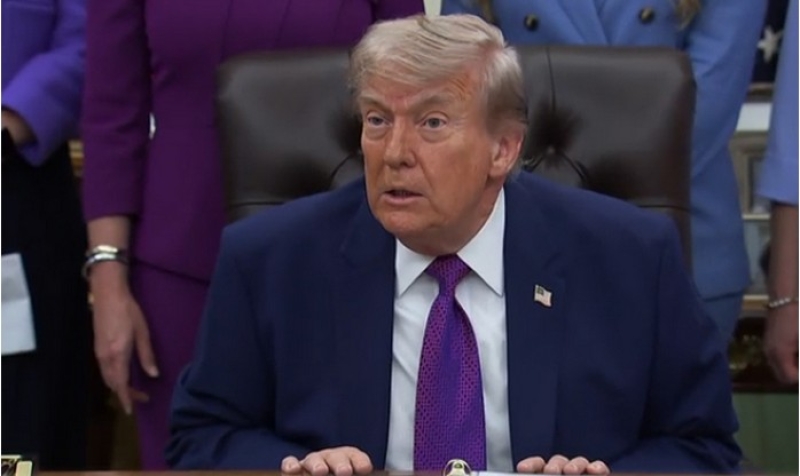
US President Donald Trump has warned that the fragile ceasefire in the Middle East is close to collapsing after rejecting Iran’s latest counterproposal in ongoing negotiations over regional tensions, sanctions and maritime security.
Speaking to reporters on Monday, Trump described the truce as being on “life support” and accused Tehran of taking an unacceptable position in response to a recent US proposal aimed at easing the crisis.
“The ceasefire is on massive life support,” Trump said, adding that the United States still expected what he called a “complete victory” over Iran.
His remarks came amid escalating diplomatic tensions and growing fears of renewed conflict in the Gulf region, particularly around the strategically vital Strait of Hormuz, one of the world’s most important oil shipping routes.
Iranian parliamentary speaker Mohammad Bagher Ghalibaf responded by warning that Iran’s armed forces were fully prepared for any confrontation.
“Our armed forces are ready to respond and to teach a lesson for any aggression,” Ghalibaf wrote on social media, signalling Tehran’s increasingly firm stance.
The sharp exchange between Washington and Tehran unsettled global energy markets, with oil prices rising amid concerns that continued tensions could further disrupt the flow of crude oil and gas through the Gulf.
Saudi energy giant Saudi Aramco warned investors that the global energy market was facing one of the largest supply shocks in modern history due to the conflict and restrictions in maritime trade routes.
Company President and CEO Amin Nasser said even if the Strait of Hormuz reopened immediately, it could take months for global markets to stabilise. He cautioned that prolonged disruption could extend economic instability into 2027.
The Strait of Hormuz remains a central flashpoint in the crisis. Iran has tightened control over maritime traffic in the area, while the United States has increased naval activity to secure commercial shipping routes.
Trump said Washington was considering reviving naval escort operations for commercial vessels travelling through the strait, although no final decision had been made.
Iran’s Foreign Ministry said Tehran’s response to the US proposal included demands for an end to what it called the US naval blockade and a halt to military operations across the region, including Israeli strikes targeting armed groups in Lebanon.
Foreign Ministry spokesman Esmaeil Baqaei also demanded the release of Iranian financial assets frozen abroad under international sanctions.
He said Iran was not seeking concessions but was demanding what it described as its legitimate rights.
The dispute has also intensified concerns over Iran’s nuclear programme. The United States, Israel and several Western allies have long accused Iran of pursuing nuclear weapons capabilities, allegations Tehran has repeatedly denied.
Israeli Prime Minister Benjamin Netanyahu has maintained that the conflict cannot end unless Iran’s nuclear facilities are dismantled.
According to reports in international media, Iran’s latest proposal may include transferring part of its highly enriched uranium to a third country while diluting the remainder as part of a possible compromise.
Meanwhile, the humanitarian impact of the regional crisis is becoming increasingly severe. The United Nations warned that disruptions in energy supplies, fertiliser exports and food distribution could trigger widespread hunger across vulnerable regions.
United Nations Office for Project Services Executive Director Jorge Moreira da Silva warned that millions more people could face food insecurity if the situation continues to deteriorate.
The United States has also imposed fresh sanctions targeting individuals and companies allegedly involved in facilitating Iranian oil exports to China, further increasing economic pressure on Tehran.
Iranian officials, however, warned that any attack on Iranian vessels or further military escalation would provoke a strong response against American assets in the region, raising fears that the already fragile ceasefire could soon unravel completely.