

- Greenhouse Gas Levels Reach Record High in 2025: WMO |
- Dengue deaths hit 400 as 11 more die in 24 hours |
- Bangladesh’s Dengue Death Toll Hits 400 After 11 More Deaths |
- Support to coastal security, early completion of MRT lines, Airport Terminal III, business promotion assured |
- Tarique Seeks Japanese Support for Energy, Tech and Infrastructure |
NASA delays Artemis II moon mission over rocket issue
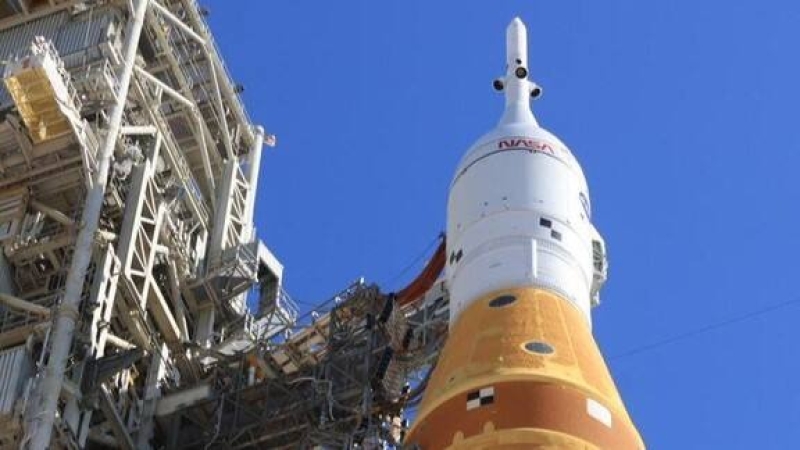
NASA has postponed the Artemis II mission to the moon after a new problem emerged with the rocket on Saturday, pushing the earliest possible launch to April.
The delay comes just one day after NASA had targeted March 6, marking the first crewed moon flight in over 50 years. Officials reported that the rocket’s upper stage experienced an interruption in helium flow, essential for purging engines and pressurizing fuel tanks.
This is separate from earlier hydrogen fuel leaks that delayed previous countdown rehearsals. NASA Administrator Jared Isaacman suggested the issue may involve a faulty filter, valve, or connection plate. Fixing it requires returning the 322-foot (98-meter) rocket to its hangar.
“We will begin preparations for rollback, which rules out a March launch,” Isaacman said, adding that the next possible windows are in early or late April. He acknowledged the disappointment felt by the NASA team after months of work.
The helium problem affects the rocket’s interim cryogenic propulsion stage, critical for placing the Orion crew capsule into orbit and allowing astronauts to practice docking maneuvers. The four crew members began their mandatory two-week quarantine on Friday.
Artemis II follows the 2022 uncrewed Artemis I mission, which faced similar hydrogen and helium issues. While Apollo missions sent 24 astronauts to the moon between 1968 and 1972, Artemis is still preparing for its first crewed lunar fly-by.