

- Covered van hits Gazipur police patrol team, killing SI, BNP leader |
- Korean City scrambles to rescue dusky shark after it returns to canal |
- PM inspects Mongla Port, Sundarbans, proposed economic zone |
- Early winter cucumber brings hope of bumper harvest in Sirajganj |
- Saudi coalition intercepts Houthi missile after blasts in Riyadh |
Moon’s shrinking raises questions for future lunar missions
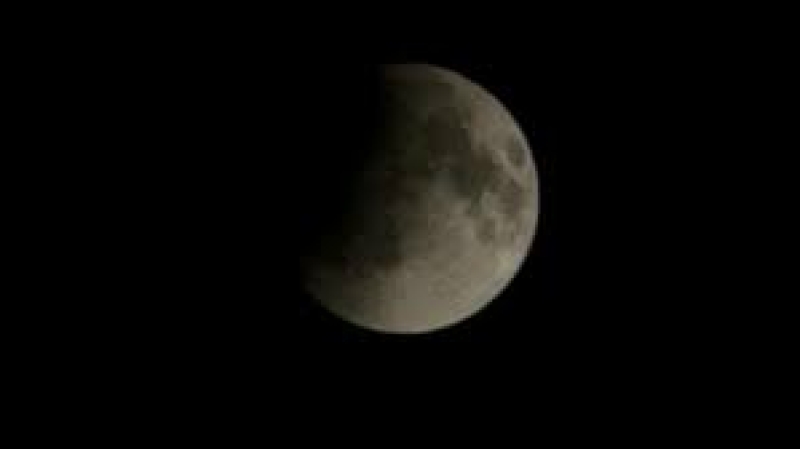
Scientists say the Moon, Earth’s closest neighbour, is shrinking faster than previously thought, a discovery that could affect future lunar exploration. Research by the National Air and Space Museum’s Center for Earth and Planetary Studies shows that as the Moon’s interior cools, its surface contracts, creating tectonic features such as lobate scarps and small mare ridges (SMRs).
The SMRs, which are relatively young and widespread, suggest that the Moon is still geologically active. These features may also indicate new sources of moonquakes, which could influence where astronauts and equipment are placed on future missions. “This work gives us a complete view of recent lunar tectonism, helping understand its interior, thermal history, and potential for moonquakes,” said Cole Nypaver, lead author of the study.
The shrinking Moon poses real risks for human exploration. NASA warns that moonquakes caused by surface contraction can originate 20–30 km deep, reach up to magnitude 5.5, and last more than 10 minutes. Such seismic activity will need to be considered when selecting landing sites and designing infrastructure for programs like Artemis, which aims to return humans to the Moon by 2028.
Tom Watters, senior scientist emeritus, said the discovery of young ridges in the lunar maria completes a global picture of a dynamic, contracting Moon. Understanding these tectonic changes is critical for the safety of astronauts and the success of future scientific missions.
Scientists continue to study the Moon’s internal dynamics to better understand its history and evolution, while providing crucial data for the next wave of lunar exploration, reports UNB.