

- Dhaka's air 5th worst in the world this morning |
- Around 7,500 Bangladeshis imprisoned in Saudi Arabia: Shama Obaed |
- Bangladesh Outperforms India in Global Hunger Index 2026 |
- Covered van hits Gazipur police patrol team, killing SI, BNP leader |
- Korean City scrambles to rescue dusky shark after it returns to canal |
Bangladesh Plans GPS Tracking to Cut Road Accidents
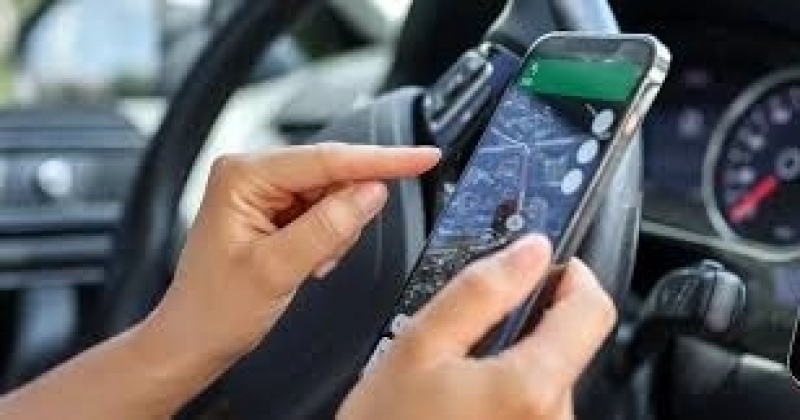
The Bangladesh Road Transport Authority (BRTA) is preparing to introduce Global Positioning System (GPS) tracking in public transport vehicles as part of a wider effort to improve road discipline and reduce accidents across the country.
Once implemented, the system will allow real-time monitoring of vehicle movement and speed, helping authorities detect violations such as over-speeding, illegal stops, overloading and fare manipulation.
Officials said the technology will strengthen enforcement by automatically recording traffic rule breaches. “With GPS tracking, violations can be identified instantly, making it possible to take action against both drivers and vehicle owners,” a senior official at the Ministry of Road Transport and Bridges said.
The initiative is part of a broader road safety strategy led by the Roads and Highways Department (RHD), which includes engineering upgrades, stricter enforcement and improved traffic management.
Measures already underway include redesigning accident-prone black spots, improving road geometry, and installing traffic signals, road markings and signage on key routes. Guardrails, speed breakers and road delineators are also being added to highways.
To improve pedestrian safety, overpasses, footbridges, zebra crossings and service roads are being developed in busy urban and commercial areas. Provisions for slow-moving and non-motorised vehicles are also being introduced gradually.
Authorities have also expanded Intelligent Transport Systems (ITS), including CCTV surveillance, Vehicle Detection Systems (VDS) and Variable Message Signs (VMS). A speed enforcement system on the Dhaka–Mawa Expressway is set to be extended nationwide.
Institutionally, a dedicated Road Design and Safety Circle has been formed to analyse crash patterns and guide safety interventions. In addition, rest facilities for long-distance drivers have been set up in several districts to reduce fatigue-related accidents.
Despite these efforts, road safety conditions remain alarming. Data from the Bangladesh Passenger Welfare Association shows that 9,111 people were killed and 14,812 injured in 6,729 road accidents in 2025. Compared to the previous year, accidents rose by nearly 7 percent, along with increases in both deaths and injuries.
Road crashes are estimated to cost the economy over Tk 600 billion annually. Motorcycles account for around 37 percent of accidents, while pedestrians make up nearly half of all fatalities. National highways remain the most dangerous zones.
Experts link the rising toll to reckless driving, unlicensed operators, unregulated vehicles, weak enforcement and poor infrastructure. During the recent Eid-ul-Fitr period alone, hundreds were killed in road crashes within just two weeks.
While the proposed GPS tracking system is seen as a step towards modernising traffic control, experts say its success will depend on strict enforcement and broader behavioural change among road users.