

- Bangladesh to Introduce New Law to Curb Extortion, IGP Says |
- UN Marks 81 Years of Global Cooperation and Peace |
- Dhaka's air 5th worst in the world this morning |
- Around 7,500 Bangladeshis imprisoned in Saudi Arabia: Shama Obaed |
- Bangladesh Outperforms India in Global Hunger Index 2026 |
Price of Dhaka WASA Water ATM water triples in two years
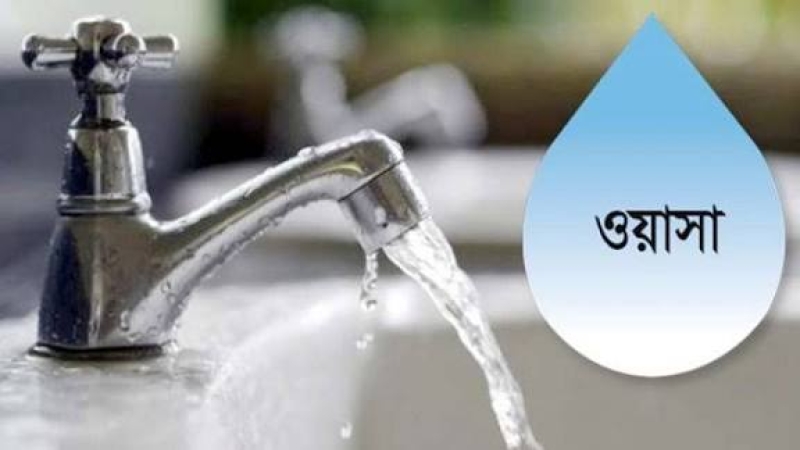
The price of drinking water supplied through Water ATM booths in the capital has been tripled within the last two years, raising concerns among city residents already struggling with the cost of living.
Due to the failure of the Dhaka Water Supply and Sewerage Authority (Dhaka WASA) to ensure safe drinking water through pipelines, about 91 percent of consumers boil water before drinking. According to a 2019 study by Transparency International Bangladesh (TIB), households spend around Tk 322 crore annually on gas for boiling water to make it potable.
The new, increased price came into effect from Sunday. In an office order signed by Dhaka WASA Secretary SM Jahangir Hossain, the authority announced that the price of Water ATM water has been raised from Tk 0.80 to Tk 1 per litre, inclusive of VAT and taxes.
The order said the decision was taken at the 14th meeting of Dhaka WASA’s Performance Support Committee, held on January 28. WASA explained that the price hike was mainly due to increased operation and maintenance costs of the booths.
Users were also informed through SMS notifications, stating that due to global price hikes and a Dhaka WASA decision, the price of Water ATM water has been fixed at Tk 1 per litre, including VAT.
Earlier, on August 1, 2023, Dhaka WASA had increased the Water ATM price from Tk 0.40 to Tk 0.80 per litre.
Sahina, a resident of Jatrabari area, expressed frustration over the move. “Why should the government increase the price even for drinking water? Thousands of crores of taka are spent in different sectors with subsidies. At least safe drinking water should be subsidised by the government or WASA,” she said.
She said her nine-member family needs around 17 litres of drinking water daily, which costs nearly Tk 600 per month. “On top of that, we have to pay the regular WASA water bill at home. Instead of putting pressure on consumers, WASA could at least provide drinking water free of cost,” she added.
Currently, Dhaka WASA, in partnership with US-based NGO Drinkwell, has installed 302 Water ATM booths across different areas of the capital. Using an RFID card—similar to a bank ATM card—users can collect purified drinking water automatically. Cards can be recharged with amounts ranging from Tk 10 to Tk 999, and water can be collected daily from 8am to 10pm.
The popularity of the service is increasing, with around 780,000 registered users and daily sales of about 1.3 million litres of water from the booths.
Complaints over the quality of piped water supplied by Dhaka WASA have persisted for years. Against this backdrop, the first Water ATM booth was installed in May 2017 at Mugda to provide affordable, safe drinking water to the city’s low-income communities. Dhaka WASA signed an agreement with Drinkwell for the initiative and later expanded the service to other parts of the city based on demand. The water sold through these booths is purified after being extracted from underground sources, reports UNB.