

Friday, October 23, 2026
News update
- Around 7,500 Bangladeshis imprisoned in Saudi Arabia: Shama Obaed |
- Bangladesh Outperforms India in Global Hunger Index 2026 |
- Covered van hits Gazipur police patrol team, killing SI, BNP leader |
- Korean City scrambles to rescue dusky shark after it returns to canal |
- PM inspects Mongla Port, Sundarbans, proposed economic zone |
Cyclone Risk Grows in Bay of Bengal, Heavy Rain Possible
Weather
2026-10-23, 9:58pm
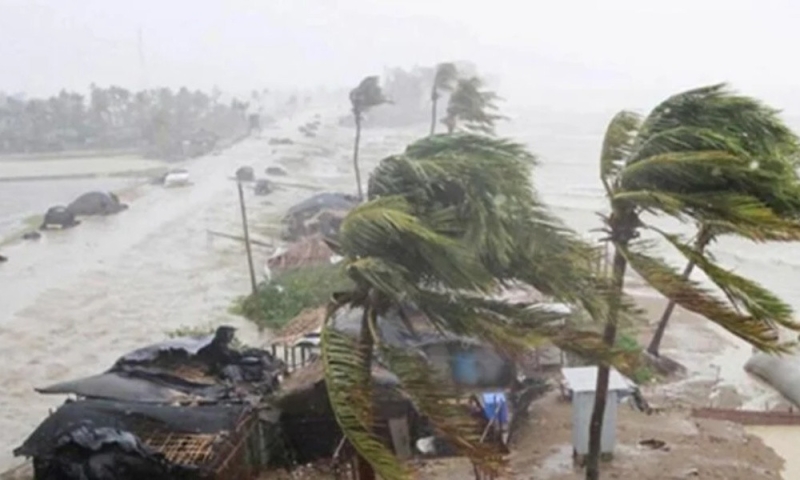
A low-pressure system over the Bay of Bengal is expected to intensify over the coming days and could develop into a cyclonic storm by October 26, according to weather forecasts.
The developing system is currently more likely to move towards India’s eastern coast, while the risk of a direct landfall in Bangladesh appears lower based on the initial forecast. However, it could bring heavy to very heavy rainfall to parts of Bangladesh.
The India Meteorological Department said the low-pressure area formed over the southeast and adjoining east-central Bay of Bengal on October 23. It is expected to strengthen into a depression on October 24, a deep depression on October 25 and a cyclonic storm by the morning of October 26. The system is forecast to move west-northwestwards towards the north Andhra Pradesh and adjoining south Odisha coasts.
System Could Intensify in Stages
According to an initial forecast by the Bangladesh Weather Observation Team (BWOT), the low-pressure area could intensify into a well-marked low-pressure system within the next 12 to 24 hours.
It may develop into a depression or deep depression within 48 hours and could become a full-fledged cyclonic storm within 72 hours, the forecast said.
The system could make landfall along India’s eastern coast between the evening of October 27 and the morning of October 28, according to the preliminary estimate. However, its track, strength and timing may change as the system develops.
Heavy Rain Possible in Bangladesh
Even if the cyclone does not make direct landfall in Bangladesh, its indirect effects could trigger periods of heavy rainfall across several parts of the country from around October 27–28 through November 1–2, according to the forecast.
The northern Bay of Bengal could also become rough, prompting caution for fishing boats and trawlers operating in deep waters.
The potential rainfall could pose risks to agriculture. Farmers have been advised to harvest mature paddy and move it to safe locations by October 26 to reduce the risk of damage.
Those planning to cultivate winter vegetables or prepare seedbeds have also been advised to postpone the work until the rain subsides.
Weather officials and observers are expected to monitor the system closely as its intensity and projected path become clearer.