

- Rules on online export to global marketplaces eased |
- PM reviews progress of measures to ease Dhaka traffic congestion |
- Trump celebrates birthday with Iran deal, White House UFC fight |
- Trump announces Iran deal, ends Hormuz blockade |
- BAB welcomes reform-driven Budget FY2026–27; pledges full support |
US-Iran Ceasefire Nears Formal Signing Amid Tensions
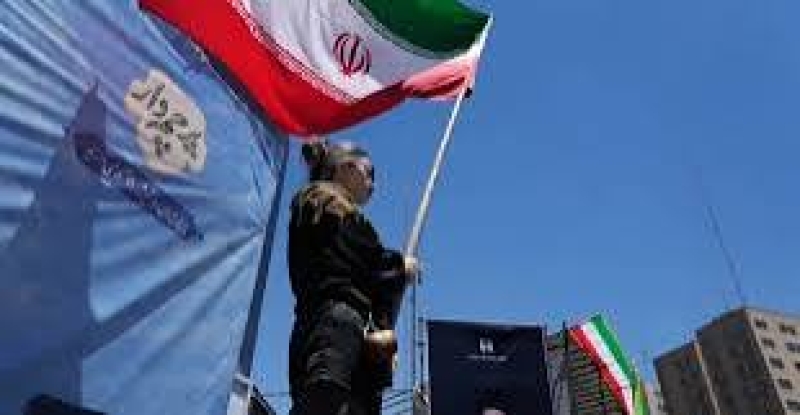
An initial agreement between the United States and Iran aimed at extending a fragile ceasefire moved closer to formal signing on Monday, although uncertainties surrounding Tehran’s nuclear program and Israel’s military operations in Lebanon continued to threaten the deal.
The electronically signed agreement, reached on Sunday, seeks to sustain a truce in a months-long conflict that has killed thousands across the Middle East, including senior Iranian leaders, and disrupted global fuel and food markets.
A key element of the pact is the reopening of the Strait of Hormuz, through which about one-fifth of the world’s oil and natural gas supplies pass. However, Iran said implementation would begin only after a formal signing ceremony scheduled for Friday in Geneva, while the US blockade remains in place until then.
The deal also requires Iran to decide within 60 days on the future of its stockpile of highly enriched uranium. Further details, expected within two days, may include the release of frozen Iranian assets, sanctions relief and a proposed $300 billion reconstruction fund tied to Iranian commitments.
Meanwhile, Israeli Prime Minister Benjamin Netanyahu said the agreement was US President Donald Trump’s decision, while reaffirming Israel’s determination to counter Iranian threats and maintain its military presence in parts of Lebanon. Continued fighting between Israel and Hezbollah remains a major challenge to the agreement’s success, reports UNB.