

- Covered van hits Gazipur police patrol team, killing SI, BNP leader |
- Korean City scrambles to rescue dusky shark after it returns to canal |
- PM inspects Mongla Port, Sundarbans, proposed economic zone |
- Early winter cucumber brings hope of bumper harvest in Sirajganj |
- Saudi coalition intercepts Houthi missile after blasts in Riyadh |
Iran reports attacks on seven oil tankers in Hormuz Strait
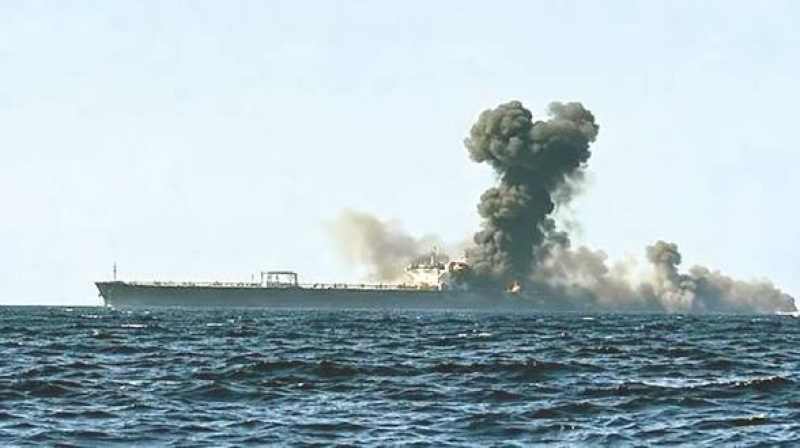
Seven oil tankers caught fire or sustained damage in the Strait of Hormuz overnight after being struck by Iran or hitting naval mines, Tehran said Thursday, raising fresh concerns about a possible return to full-scale war.
Fears of renewed US-Israeli attacks on Iran are growing ahead of Israel’s closely contested election, scheduled for Oct 27, in which Prime Minister Benjamin Netanyahu could lose power, and next month’s US midterm elections, where rising prices linked to the war have fuelled voter anger.
“Netanyahu wants to attack Iran, that’s not even a question,” Danny Citrinowicz, a researcher at Israel’s Institute for National Security Studies and a former Iran specialist in the country’s military and intelligence services, told The Associated Press.
Citrinowicz accused Israel of rushing towards another confrontation with Iran without revising its strategy. He said a clear victory for Netanyahu in the Oct 27 election would make another attack almost inevitable.
Although leading opposition candidates are expected to prioritise domestic issues, Citrinowicz said he believed the region was heading towards “another kinetic escalation.”
Iran renews threat to strike US bases in region
Iranian state television reported the latest attacks on the vessels, citing the navy of the Islamic Revolutionary Guard Corps. The Associated Press could not independently verify the claims.
The report did not mention any casualties. It also quoted the Guard's navy as renewing its threat to target US military bases in the region if Washington continued helping commercial vessels navigate the Strait of Hormuz.
Iran continues to assert control over the strategic waterway, which remains a key source of leverage in any negotiations with the United States over the war.
October has seen the highest number of reported attacks on commercial shipping since March, when the war began, according to the United Kingdom Maritime Trade Operations, a British maritime security monitor.
Although UKMTO did not report the latest incidents, it has noted that some shipping operators have become increasingly reluctant to report attacks.
Experts say oil producers have managed to maintain crude supplies through alternative arrangements, but doing so has become increasingly costly, reports UNB.