

Thursday, November 5, 2026
News update
- Democrats Take Congress: Five Possible Shifts in Trump’s Foreign Policy |
- COP31: Can Nations Turn Climate Promises Into Action? |
- UN Warns Climate Adaptation Funding Falls Far Short |
- Bangladesh on The Verge of a Solar Energy Revolution |
- Bangladesh Bank Injects $100 Million Into Forex Market |
Democrats Take Congress: Five Possible Shifts in Trump’s Foreign Policy
GreenWatch Desk:
World News
2026-11-05, 10:17am
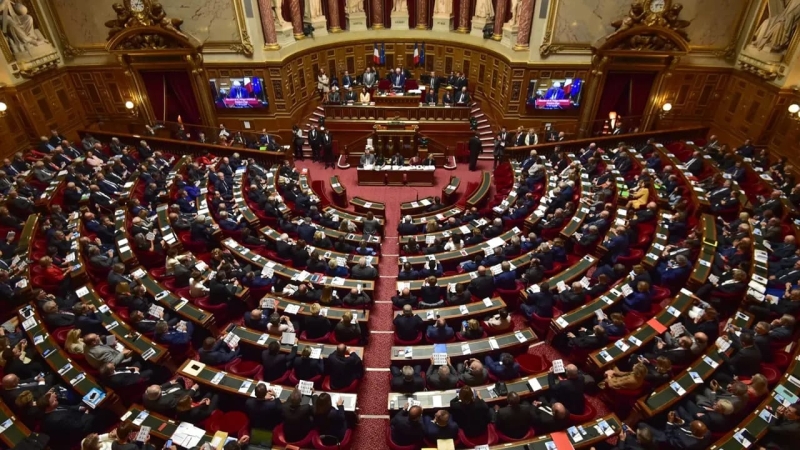
The US legislature. File photo
Democrats have won control of both chambers of the US Congress—the Senate and the House of Representatives—in the midterm elections, creating a new political landscape in Washington after two years of Republican control.
The election outcome could give Democrats greater power to scrutinise President Donald Trump’s foreign policy, particularly his military operations and spending decisions.
During the election campaign, Democrats accused Republicans of allowing the Trump administration to exercise powers constitutionally reserved for Congress, particularly over decisions on war and government spending. With control of both chambers, Democrats will have greater opportunities to challenge the administration and demand accountability.
The shift in congressional power could bring changes in five key areas of Trump's foreign policy.
1. Growing Pressure Over the Iran War
Trump did not seek congressional approval before launching the war against Iran alongside Israel on February 28. Democrats have repeatedly introduced resolutions demanding congressional authorisation for the continuation of the conflict. One such resolution passed both the House and Senate with support from some Republicans, but the Trump administration did not implement it.
With control of Congress, Democrats could put pressure on Trump by seeking cuts to defence funding or blocking key administration appointments. They could also renew demands for congressional approval to continue the war.
In addition, they may push to require the administration to provide lawmakers and the public with regular updates on its military plans.
2. New Opportunities for Aid to Ukraine
Trump has largely halted direct US military and financial assistance to Ukraine as it continues to fight Russia's invasion. However, many lawmakers from both parties support continued American assistance.
Trump's recent easing of sanctions on Russian energy has also drawn criticism from several members of Congress, including Republicans.
From January, when Democrats take control of both chambers, they will be able to determine when and which proposals come up for a vote. This could create an opportunity to push for new assistance to Ukraine.
Even if Trump vetoes an aid proposal, Congress can override the veto with a two-thirds majority in both chambers. Given bipartisan support for Ukraine assistance among many lawmakers, such a majority could be possible, according to the report.
3. Reducing Military Aid to Israel
Support for Israel among Democrats has declined amid the war in Gaza, violence in the occupied West Bank and the close relationship between Republicans and Israeli Prime Minister Benjamin Netanyahu.
The United States provides Israel with $3.8 billion in regular annual military assistance. Washington has also provided several billion dollars in additional support since Hamas's October 7, 2023, attack and Israel's subsequent military operations in Gaza.
Democrats could now seek to limit or halt some of this assistance. During the summer, nearly half of House Democrats voted in favour of ending military aid to Israel. Some other Democratic lawmakers have also supported restrictions on the supply of weapons such as heavy bombs.
4. Cutting Military Spending and Restoring Foreign Aid
Democrats could oppose Trump's plans to increase military spending. This year, Trump proposed raising the military budget by 67% to $1.5 trillion.
However, Senate Democrats opposed the proposal, citing the administration's failure to consult Congress over the Iran war and its substantial cuts to social programmes.
Trump has also withheld or cancelled several billion dollars in foreign aid previously approved by Congress. Democrats could seek to release those funds.
During Trump's first presidency, foreign aid enjoyed considerable bipartisan support from both Democrats and Republicans, which could help efforts to restore the funding.
5. Greater Scrutiny of US Policy in Latin America
Trump has pursued a tougher policy in the Western Hemisphere than many recent US presidents.
Questions have been raised over the role of the US military in efforts to remove Venezuela's president and more than a year of deadly attacks targeting vessels off the country's coast.
Trump has also imposed sanctions and threatened military action to pressure Cuba's communist government. The administration has further been accused of attempting to influence elections in Honduras, Argentina, Colombia and Brazil.
Several Democrats have called for investigations and congressional hearings into these actions. Some have criticised sanctions affecting ordinary Cubans and called for an end to US interference in the country's elections.