

- COP31 Nears Close as ‘Weak’, ‘Compromised’ Draft Draws Fierce Backlash |
- Bangladesh Begins Plan to Modernise Armed Forces: PM |
- Govt Committed to Making Bangladesh a Dignified Nation: PM |
- Rights Groups Urge Sanctions on Myanmar After ICJ Ruling |
- PM Pays Tribute at Shikha Anirban on Armed Forces Day |
Trump, Xi and Putin to Discuss Iran, Nuclear Arms in China
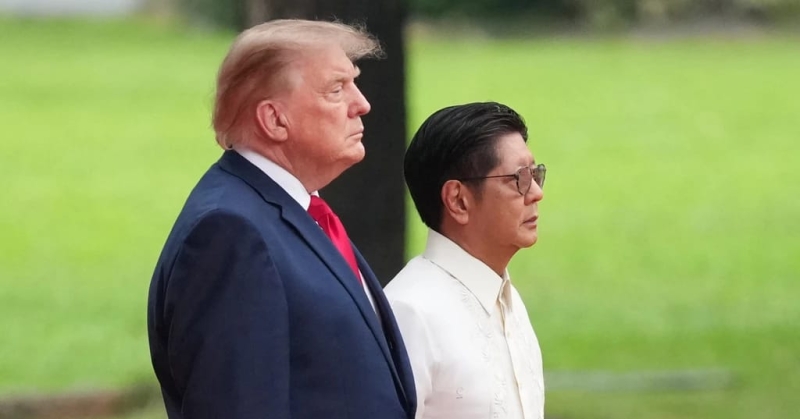
US President Donald Trump is expected to meet Chinese President Xi Jinping and Russian President Vladimir Putin in a landmark trilateral summit in China on Thursday, with discussions likely to focus on the Iran conflict, nuclear weapons and other major global issues.
The meeting, scheduled for November 19 in Shenzhen on the sidelines of the Asia-Pacific Economic Cooperation (APEC) summit, would bring together the leaders of three major global powers for their first-ever trilateral talks.
The prospect of the meeting has drawn international attention as Trump seeks to engage with Washington's major geopolitical rivals while relations with traditional US allies have also faced strains.
Trump's trade policies have done little to slow China's position as the world's leading manufacturing power. Meanwhile, Beijing has continued to expand its economic partnerships with other countries.
On Tuesday, Xi met Canadian Prime Minister Mark Carney, with the two leaders agreeing on measures to expand bilateral trade and provide further tariff relief for selected goods.
Carney has sought to strengthen Canada's economic ties with China and the European Union amid tensions with Washington. Trump has repeatedly made controversial remarks about Canada, including suggesting that it could become the 51st US state.
Artificial intelligence is another issue drawing attention ahead of the summit. While the technology is seen as a major driver of future economic growth, its rapid development has raised concerns over national security, international competition and the possibility of AI systems operating beyond effective human control.
The issue has also become more sensitive following the resignation of Nvidia co-founder Jensen Huang as the company's chief executive on November 12.
Huang's departure came after reports of his extramarital relationship with Alice Huang, a Chinese businesswoman suspected by US authorities of having links to Chinese intelligence. China has denied the allegations, and the claims have not been independently established.
The controversy has raised questions about potential access to advanced Nvidia chips and their use in China's artificial intelligence industry. Nvidia has said it has no reason to believe that company secrets or national security were compromised.
Trump has acknowledged differences within his administration over restrictions on China's access to advanced computer chips. He has also said he wants to maintain good relations with Beijing.
The Iran conflict is expected to be another major issue during the trilateral talks. US and Israeli strikes on Iran began on February 28, triggering a wider regional conflict that has disrupted energy markets and contributed to concerns over global inflation and economic growth.
Trump has said he intends to discuss the conflict with Xi and Putin, along with efforts to reduce nuclear weapons.
The US president has repeatedly expressed interest in securing an agreement to reduce global nuclear arsenals. However, China has been reluctant to participate in negotiations on nuclear arms reduction alongside the United States and Russia.
Trump has said he does not intend to raise the issue of Taiwan during the meeting, although he expects Xi to bring it up.
China claims Taiwan as part of its territory, while the island operates with its own elected government. Taiwan is also a major producer of advanced semiconductor chips used by technology companies worldwide.
"I'm sure he'll raise it," Trump said of Xi's position on Taiwan. "I won't have to raise it."