

- Dhaka's air 5th worst in the world this morning |
- Around 7,500 Bangladeshis imprisoned in Saudi Arabia: Shama Obaed |
- Bangladesh Outperforms India in Global Hunger Index 2026 |
- Covered van hits Gazipur police patrol team, killing SI, BNP leader |
- Korean City scrambles to rescue dusky shark after it returns to canal |
US Forecast Sees High Chance of El Niño by July
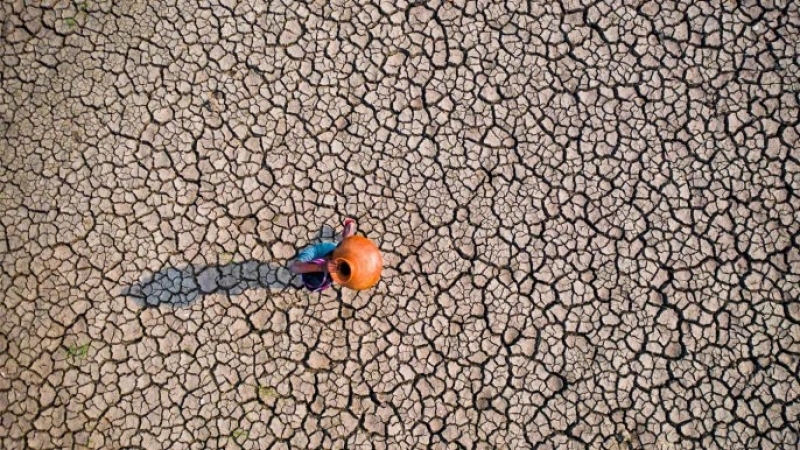
The United States Climate Prediction Center has forecast a strong likelihood of El Niño developing in the coming months, warning that the weather pattern could trigger hotter and drier conditions across parts of Asia and other regions later this year.
In its latest outlook issued on Thursday, the US forecaster said there is an 82 percent probability of El Niño developing during the May-July 2026 period.
The agency also projected that the climate phenomenon is likely to persist through the Northern Hemisphere winter, with a 96 percent chance between December 2026 and February 2027.
Despite growing confidence that El Niño will emerge, forecasters said uncertainty remains over how intense the event could become.
“No single strength category currently exceeds a 37 percent probability,” the forecast noted.
El Niño refers to the warming of sea surface temperatures in the central and eastern tropical Pacific Ocean. The phenomenon can disrupt global weather patterns, often bringing floods, droughts and extreme heat that affect agriculture, food production and water resources.
Climate experts warned that a stronger El Niño could worsen existing pressures on global food supplies at a time when many countries are already facing higher fuel and fertiliser costs linked to geopolitical tensions in the Middle East.
Kyle Tapley, Enterprise Sales Executive at Vaisala Xweather, said a strong El Niño could develop by the end of the northern summer.
He noted that Southeast Asia and Australia are among the regions most vulnerable to El Niño-related weather disruptions, particularly below-normal rainfall that may reduce production of palm oil and wheat.
Analysts also warned that rice supplies could come under pressure if farmers reduce planting due to rising input costs and fears of drought conditions.
Indonesia’s crude palm oil production could fall by up to 2 million metric tonnes this year compared with 2025 due to dry weather associated with El Niño and rising fertiliser prices, according to market projections.
Earlier this week, Japan’s weather agency also said there is a 90 percent chance of El Niño developing by the summer.