

- Around 7,500 Bangladeshis imprisoned in Saudi Arabia: Shama Obaed |
- Bangladesh Outperforms India in Global Hunger Index 2026 |
- Covered van hits Gazipur police patrol team, killing SI, BNP leader |
- Korean City scrambles to rescue dusky shark after it returns to canal |
- PM inspects Mongla Port, Sundarbans, proposed economic zone |
Bangladesh sees sharp rise in rape cases, with girls most at risk
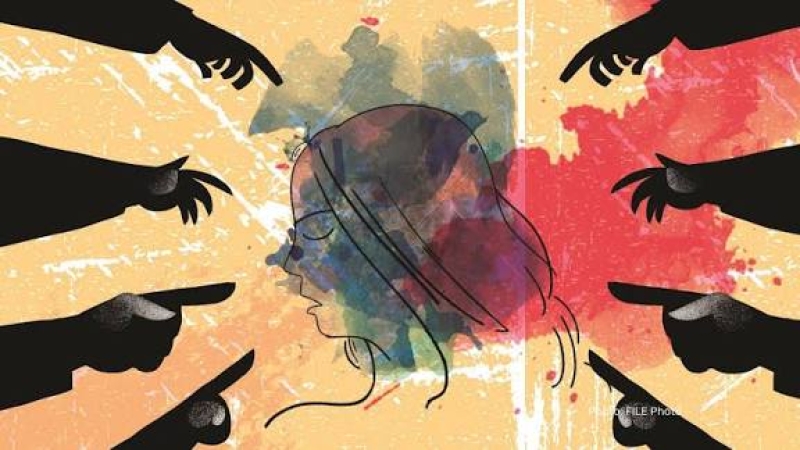
Bangladesh recorded a significant increase in rape and sexual violence in 2025, with girls accounting for the majority of victims, according to rights groups monitoring violence against women and children.
Data from Bangladesh Mahila Parishad (BMP) shows that 786 women and girls were victims of rape and gang rape in 2025, compared with 516 in 2024, marking a 52.3% year-on-year increase.
Of those victims, 543 were girls, a rise of 47.9% from the previous year.
The findings, published in BMP’s 2025 annual report, point to a disturbing escalation in sexual violence, particularly against minors.
The organisation defines girls as individuals aged between one and under 18 years.
Widespread Violence
An analysis of reports from 15 national daily newspapers, compiled by BMP’s central Legal Aid Sub-Committee, found that 2,808 women and girls experienced various forms of violence across Bangladesh last year.
Among them, 1,571 were women and 1,234 were girls, highlighting what campaigners describe as a deepening crisis in public safety and protection.
Sexual violence accounted for a large share of these incidents. In 2025, 179 victims were subjected to gang rape, including 104 girls and 75 women.
A further 188 cases of attempted rape were recorded, while seven victims died by suicide following rape. Sexual harassment affected 169 individuals, including 112 girls.
Beyond Sexual Violence
The report also documents a rise in other forms of abuse. 739 people were killed for reasons unrelated to rape, including 632 women and 107 girls, while 230 deaths were classified as mysterious.
At least 196 individuals died by suicide due to various forms of abuse. Other reported crimes included dowry-related violence (52 cases), acid attacks (nine), and burn injuries (34). Human trafficking affected 55 individuals, including 24 girls, while 19 cases of cyber violence were recorded.
Comparing 2024 and 2025
In 2024, BMP documented 516 rape victims, including 367 girls. That year, 142 victims were gang-raped, 23 were murdered after rape, and six died by suicide. There were also 94 attempted rape cases.
Overall, 2,525 incidents of violence against women and girls were reported in the media in 2024, with 528 deaths, including 451 women and 77 girls.
Corroborating Data
Separate figures from Ain o Salish Kendra (ASK) broadly support BMP’s findings. ASK reported 749 rape cases nationwide in 2025, up from 635 in 2024. Of these, 569 were single-perpetrator cases and 180 were gang rapes.
According to ASK, at least 36 women were murdered after rape in 2025, seven died by suicide, and six others died following attempted rape.
ASK also reported that 217 women were killed by their husbands, 63 by in-laws, and 51 by other family members during the year. At least 168 women died by suicide due to domestic violence.
In 2024, ASK recorded 401 women and 234 girls as victims of rape or gang rape, including 34 murders and seven suicides. There were also 109 attempted rape cases, one of which ended in murder.
Rights Concerns
A recent Human Rights Watch (HRW) report, citing police data, found that gender-based violence increased in the first half of 2025 compared with the same period in 2024.
Fawzia Moslem, President of Bangladesh Mahila Parishad, linked the rise in violence to growing pressure from conservative religious groups. She said their activities and rhetoric had increasingly targeted women’s mobility, expression and participation in public life.
In May 2025, several such groups protested initiatives by the caretaker government aimed at promoting gender equality, calling for an end to what they described as “anti-Islamic” activities. Since then, Ms Moslem said, women and girls have faced rising levels of verbal, physical and digital abuse, contributing to a climate of fear and silence.
Calls for Reform
BMP’s report urges the government to implement reforms proposed by the National Women’s Reform Commission, including greater representation of women in Parliament and stronger support for the UN Security Council’s Women, Peace and Security agenda.
It also calls on Bangladesh to fully uphold its commitments under international conventions such as CEDAW and the International Covenant on Civil and Political Rights (ICCPR) and protect the constitutional rights of religious and ethnic minorities, reports UNB.
Rights groups say without structural reforms, accountability and social change, the scale of violence documented in 2025 risks becoming entrenched rather than exceptional.