

- First cruise ship crosses Strait of Hormuz since war began |
- MDBs stress co-op support global stability amid uncertainty |
- PM opens first Hajj flight, visits Ashkona camp |
- River ports asked to hoist cautionary signal No 1 |
- Oil prices drop 9% & Wall Street rallies to a record after Iran reopens Hormuz |
US-Iran Peace Talks Begin in Pakistan Amid Deep Divisions
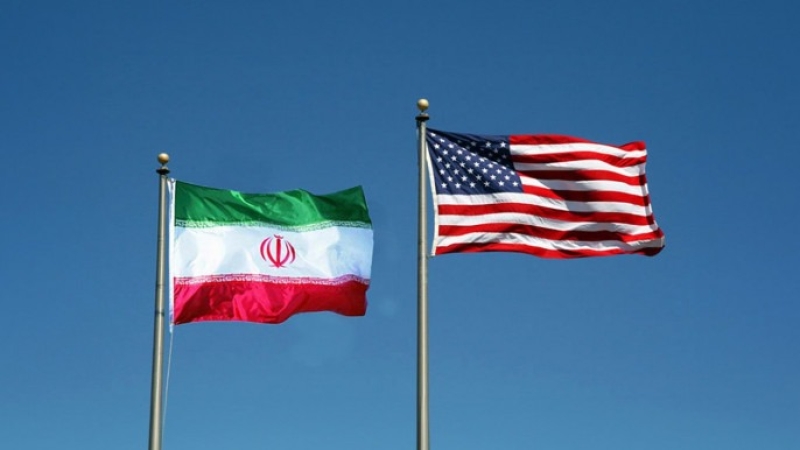
Representational Photo.
The US and Iran are set to hold peace talks in Pakistan, where the government is mediating, but both sides remain deeply divided on key issues. President Donald Trump has called proposals presented by Tehran a “basis” for discussions, yet major differences persist.
The talks will focus on ending the war, with control of the Strait of Hormuz and Israel’s ongoing conflict in Lebanon high on the agenda. How these negotiations unfold could shape the Middle East for years to come.
Iran’s delegation will present a 10-point plan that largely diverges from Washington’s 15-point proposal. Tehran’s plan includes uranium enrichment, which the US has rejected, while it does not address Iran’s missile capabilities—a major concern for Washington and Israel.
A Pakistani official said Iran may secure some concessions on reconstruction, reparations, and sanctions relief, but uranium enrichment is unlikely to be agreed upon.
The Strait of Hormuz, through which a fifth of global oil and LNG passes, has been effectively closed by Iran since February, sending oil prices soaring. Tehran has suggested charging fees for transit under any permanent deal.
Washington’s 15-point plan demands Iran remove enriched uranium, halt its nuclear programme, curb ballistic missile development, and cut funding to regional allies. Iran insists it will not make major concessions on these points and has signalled readiness to continue the conflict if necessary.
Israel, meanwhile, is continuing its operations against Hezbollah in Lebanon. The US and Israel argue the ceasefire does not cover Lebanon, while Tehran sees a halt in hostilities there as essential to any agreement. This disagreement threatens the broader truce and complicates negotiations.
Trump has pledged to keep US military forces deployed in the region until a deal is reached and has warned of further escalation if Iran fails to comply. Both sides now face the challenge of bridging longstanding gaps to achieve a lasting settlement.