

- Rooppur NPP: Rosatom installs automated control system at Unit-1 |
- Mount Everest season opens late, despite huge ice block, high travel costs |
- 2 more children die with measles-like symptoms in Sylhet |
- Dhaka again ranks world’s most polluted city Friday morning |
- Speed up nationality verification for ‘illegal’ migrants: Delhi |
Israel-Hezbollah Truce Begins Amid Fragile Calm
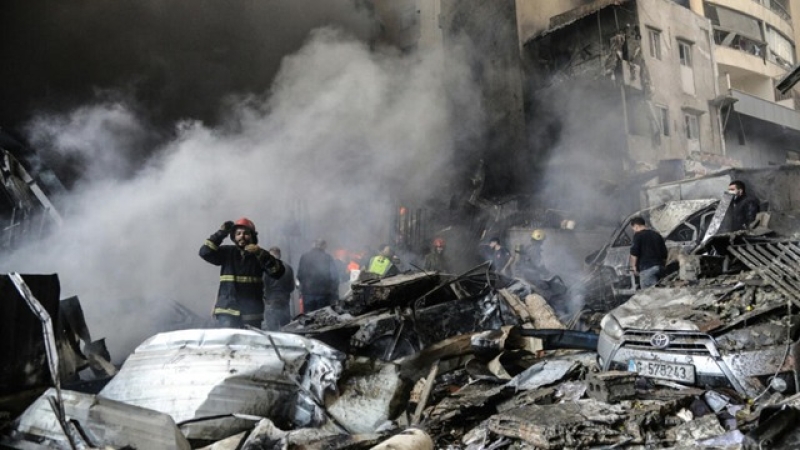
A 10-day truce has taken effect in Lebanon, raising hopes of a pause in fighting between Israel and the Iran-backed Hezbollah group after weeks of intense conflict.
The ceasefire was announced by US President Donald Trump, though the agreement does not formally include Hezbollah, the main party engaged in hostilities with Israel inside Lebanon.
Gunfire echoed across Beirut shortly after midnight as residents marked the start of the truce, while some displaced families began returning to southern Lebanon and the capital’s southern suburbs despite official warnings to wait until the situation stabilises.
Israeli Prime Minister Benjamin Netanyahu said the ceasefire was agreed to support broader peace efforts, but made clear that Israeli troops would remain in southern Lebanon. He reiterated plans to maintain a “security zone” extending about 10 kilometres into Lebanese territory.
Hezbollah signalled a cautious stance, saying continued Israeli presence would justify resistance, leaving uncertainty over how long the truce might hold.
The US State Department said Israel retains the right to respond to any imminent threats but is expected to halt offensive operations against Lebanese targets under the agreement. However, the wording suggests Israel could still act if it deems necessary, a point that could test the ceasefire.
Violence appeared to taper off as the truce came into effect, though reports indicated limited shelling in parts of southern Lebanon shortly afterwards. In the hours leading up to the ceasefire, Hezbollah continued rocket fire towards northern Israel, with sirens sounding in several border communities.
The agreement followed a flurry of diplomatic efforts involving Washington. US Secretary of State Marco Rubio held talks with officials from both sides, while Trump engaged directly with Lebanese President Joseph Aoun and Netanyahu.
The truce comes amid wider regional tensions linked to the ongoing conflict involving Iran, the United States and Israel. Diplomats are pushing to extend the broader ceasefire framework, though key issues remain unresolved and the situation on the ground remains volatile.
With large numbers of civilians displaced and infrastructure damaged, uncertainty persists over how quickly normal life can resume, and whether the fragile pause can evolve into a more lasting settlement.