

- Bangladesh to Introduce New Law to Curb Extortion, IGP Says |
- UN Marks 81 Years of Global Cooperation and Peace |
- Dhaka's air 5th worst in the world this morning |
- Around 7,500 Bangladeshis imprisoned in Saudi Arabia: Shama Obaed |
- Bangladesh Outperforms India in Global Hunger Index 2026 |
Ceasefire Extension Opens Talks as Gulf Tensions Persist
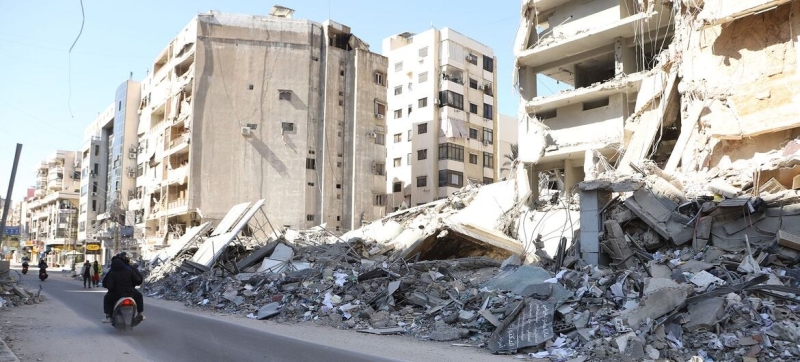
Debris lines a street in Beirut, where roads have been partially cleared to restore vehicle access.
The United States’ decision to extend a fragile ceasefire with Iran has kept a narrow window open for diplomacy, but fresh security incidents in the Strait of Hormuz on Wednesday highlight the continued volatility and risks to global shipping and regional stability.
António Guterres welcomed the move, calling it “an important step toward de-escalation and creating critical space for diplomacy and confidence-building between Iran and the United States.”
In a statement issued through his spokesperson, the UN chief urged all sides to refrain from actions that could undermine the ceasefire and to engage constructively in negotiations toward a lasting resolution. He also expressed support for Pakistan’s role in facilitating talks, hoping they would lead to a “comprehensive and durable” settlement.
However, the status of those negotiations remains uncertain.
Rising risks in the Strait of Hormuz
Even as diplomatic efforts continue, tensions remain high in and around the Strait of Hormuz—one of the world’s most critical maritime chokepoints—with reports of tit-for-tat vessel seizures near Iranian waters.
The United Kingdom Maritime Trade Operations reported that a cargo vessel west of Iran came under fire and was forced to halt, while a container ship northeast of Oman sustained heavy damage after being targeted by an armed vessel. In both cases, crew members were reported safe.
The strategic waterway, linking the Persian Gulf to global markets, carries a significant share of the world’s oil and gas supplies. Since the escalation of conflict earlier this year, maritime traffic has declined sharply and insurance costs have surged.
Humanitarian strain in Lebanon
In Lebanon, a separate 10-day ceasefire has allowed tens of thousands of displaced families to begin returning home, although many areas remain heavily damaged following clashes between Israeli forces and militants.
According to the UN Office for the Coordination of Humanitarian Affairs, more than 117,000 people are still living in collective shelters, despite a 21 per cent drop in displacement since the ceasefire began on 17 April.
Returns to several المناطق in southern Lebanon remain restricted due to ongoing military presence, with at least 74 localities still considered unsafe.
Mounting needs and fragile services
Humanitarian conditions remain severe, with limited access, funding shortages and ongoing tensions constraining relief efforts.
Food prices have risen by six per cent since February, placing additional pressure on vulnerable households. Many families are coping by selling assets or taking on debt, with women and girls disproportionately affected.
“Across Lebanon, women are playing a critical role in sustaining families and supporting communities through the crisis,” said Imran Riza, stressing the need to prioritise their protection and leadership.
In the southern city of Tyre, displaced women are leading community initiatives to improve food access, preparing thousands of meals daily with support from UN agencies and local partners.
Meanwhile, the healthcare system remains under strain. Six hospitals have closed and 15 have been damaged, while many primary healthcare centres are no longer functioning.
Since early March, the World Health Organization has recorded 147 attacks on healthcare facilities, resulting in 100 deaths and more than 230 injuries among medical personnel.