

- Modi Claims Big Win in West Bengal State Polls |
- Measles Outbreak Claims 17 Lives in Single Day |
- Trump says US holding ‘very positive discussions’ with Iran over war |
- Dhaka ranks 4th among the world’s most polluted cities Monday |
- Cabinet approves tax relief for brand new electric vehicle imports |
Tensions Keep Strait of Hormuz Shipping on Edge
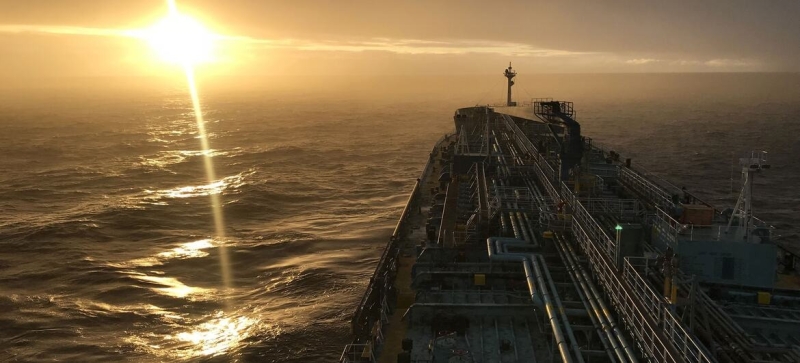
A ship at sea. (file)
Amid conflicting claims of strikes and confrontations in the strategic Strait of Hormuz involving Iran and the United States, UN maritime officials continue to urge vessels to exercise “maximum caution.”
“We are aware of the reports but do not have further details. We continue to urge ships to practise maximum caution in the area,” the International Maritime Organization said, as it works to verify recent incidents and security warnings issued to commercial vessels.
According to the UK Maritime Trade Operations (UKMTO), a tanker was reportedly hit by unknown projectiles north of Fujairah in the United Arab Emirates on May 4, while a bulk carrier was attacked by multiple small craft near Iran a day earlier.
Other vessels in the area have been instructed via radio to move from their anchorages, reflecting the volatile security environment.
Since late February, at least 41 incidents involving vessels in and around the Arabian Gulf, the Strait of Hormuz, and the Gulf of Oman have been reported to UKMTO.
Iran claimed on Monday that it had struck a US naval vessel, preventing it from entering the strait, but the United States denied the allegation. Late on Sunday, President Donald Trump said the US would assist ships stranded in the strait for months.
UN response
The International Maritime Organization is working with the shipping industry on contingency planning, including a possible evacuation framework for vessels and crews in the conflict zone.
Around 800 ships engaged in international trade—including oil tankers, bulk carriers, and container vessels—could be involved, carrying critical energy supplies and goods.
With an average of 25 crew members per vessel, roughly 20,000 seafarers could be directly exposed to the risks.
Escorts not a long-term solution
“All seafarers on board vessels in the Persian Gulf region remain vulnerable to any escalation,” the IMO warned, citing risks from missile strikes, falling debris, and shortages of food and water.
While around 450 seafarers have been assisted through crew changes and repatriation, tens of thousands remain at sea, as the broader regional fleet includes nearly 3,000 vessels.
The agency stressed that naval escorts alone cannot ensure safety, calling instead for de-escalation and a lasting agreement to secure maritime routes.
Lebanon’s health system under strain
Meanwhile, in Lebanon, a fragile post-ceasefire situation continues to strain an already weakened health system. Ongoing instability and access challenges are disrupting healthcare services, particularly in southern areas and regions where displaced people are returning.
According to UN agencies, three hospitals and 41 primary healthcare centres remain closed, while several others are only partially operational, mainly providing emergency and chronic care.
These constraints are putting pressure on functioning facilities and limiting access to essential services.
Shortages of medicines, including treatments for chronic diseases, are increasing risks for vulnerable patients. Health officials warn that without urgent support, complications and preventable deaths could rise.
Despite the challenges, humanitarian partners are expanding efforts, including tuberculosis screening among displaced populations. More than 750 people have been screened in recent weeks, although response efforts remain limited by funding and access constraints.