

- Cheap reading glasses remain key conduit to better quality of life |
- ডিপি ওয়ার্ল্ডকে বাংলাদেশে বিনিয়োগের আহ্বান প্রধানমন্ত্রীর |
- Putin offers to help end Iran war in meeting with Pezeshkian |
- Fired OpenAI Researchers Say Dismissals Chilled Safety Efforts |
- Dhaka Fifth Most Polluted City Globally on Friday Morning |
Israel Strikes Kill 18 in Lebanon, 4 Soldiers Dead
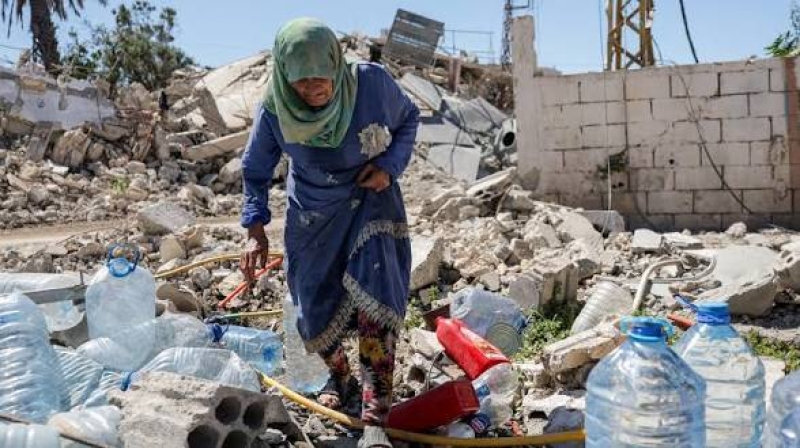
At least 18 people were killed in southern Lebanon in overnight Israeli air strikes, Lebanon’s health ministry said on Friday, while the Israeli military reported that four soldiers were killed in attacks by Hezbollah.
The Israeli military said it targeted around 80 Hezbollah-linked sites and claimed dozens of fighters from the Iran-backed group were killed.
The latest escalation came just a day after the United States and Iran signed an agreement aimed at easing tensions across the Middle East, including efforts to secure a lasting ceasefire in Lebanon.
Despite the agreement, cross-border hostilities between Israel and Hezbollah have continued, raising concerns over the stability of the fragile truce.
Lebanon’s state news agency described the overnight bombardment in the Nabatieh district as among the heaviest since the conflict began. Authorities reported at least 18 deaths, 33 injuries, and extensive damage to buildings and infrastructure.
Hezbollah said its fighters ambushed an Israeli military unit in southern Lebanon, destroying three tanks with guided missiles and targeting troops with rocket and artillery fire.
Israeli Prime Minister Benjamin Netanyahu expressed condolences over the deaths of the four soldiers and vowed to intensify military operations against Hezbollah.
He said Israel would not tolerate attacks on its soldiers or territory and warned Hezbollah would face severe consequences.
The conflict widened after Hezbollah launched attacks on northern Israel in support of Iran-backed forces in the region. Israel responded with a large-scale military campaign across Lebanon, saying its objective was to push Hezbollah fighters away from its northern border.
According to Lebanon’s health ministry, at least 3,912 people have been killed and 11,699 wounded since the latest conflict began. The casualties include women and children.
Around one million people remain displaced, while many communities in southern Lebanon have suffered widespread destruction.
Hezbollah has pledged to continue attacks as long as Israeli forces remain in Lebanese territory.
The escalation has also increased political pressure on Netanyahu at home, where hardline ministers are demanding stronger military action.
Israeli National Security Minister Itamar Ben-Gvir called for tougher action, saying Israel must respond forcefully to Hezbollah attacks.
Meanwhile, France urged Israel to respect the ceasefire framework, while international diplomats called for restraint to prevent further escalation.
The US-Iran agreement includes provisions on Iran’s nuclear programme, sanctions relief, and a commitment to pursue a broader settlement within 60 days.
However, tensions remain high as fighting continues in Lebanon, casting doubt over prospects for a durable peace in the region.