

- Dhaka Traffic Police Take on Bigger Role in Fighting Crime |
- Customs detect bid to import 4 luxury cars as used parts |
- Nearly 1,000 missing in Tibet, Nepal in catastrophic glacial floods |
- Glacial collapse-induced floods kill at least 160 people on Nepal-China border |
- At Least 160 Killed in Nepal-China Border Flash Floods |
Israel Warns of Fresh Strikes on Iran if Needed
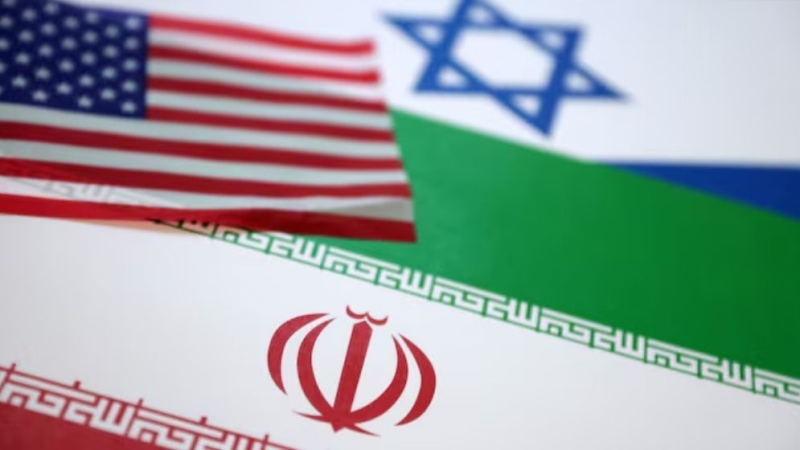
Israel's Defence Minister Israel Katz said on Thursday that the country's armed forces are prepared to launch fresh military operations against Iran if necessary, warning that any future action would be carried out "with even greater force."
The remarks came as renewed hostilities between the United States and Iran heightened concerns over a possible return to full-scale conflict despite a fragile ceasefire reached earlier this year.
Speaking at a military ceremony, Katz said the Israeli military remained on high alert and was ready to resume operations to regain air superiority and neutralise what he described as threats from Iran.
"The army is ready and on alert for a resumption of fighting," he said, adding that Israel would strike Iran again "a third time if necessary."
Prime Minister Benjamin Netanyahu also addressed the ceremony, saying Iran had been significantly weakened by previous military operations but cautioned that the confrontation had not yet ended.
He said Israel had demonstrated its ability to carry out long-range military operations across the region, including in Iran and Yemen, while stressing that the campaign remained unfinished.
The latest statements came amid rising regional tensions after renewed exchanges between US and Iranian forces, fuelling fears that the ceasefire could collapse.
The current conflict began on February 28, when the United States and Israel launched coordinated airstrikes on Iran, targeting military and strategic facilities. The offensive killed Iran's Supreme Leader Ayatollah Ali Khamenei and several senior military officials, triggering a wider regional confrontation.
Although a ceasefire temporarily reduced hostilities, the recent escalation has raised fresh concerns about the prospect of another round of fighting in the Middle East.