

- Long-term support for Manta gypsy fishing community urged |
- Customs blocks import of nearly 2000 drones by Chawk Bazar trader |
- Bangladesh Faces Volatile Monsoon With Resilient Response |
- Tarique Put Bangladesh’s Interests First at UN: Mahdi |
- Crackdown on extortionists, criminals to be intensified : Home Minister |
Iran says it received US response to latest proposal to end war
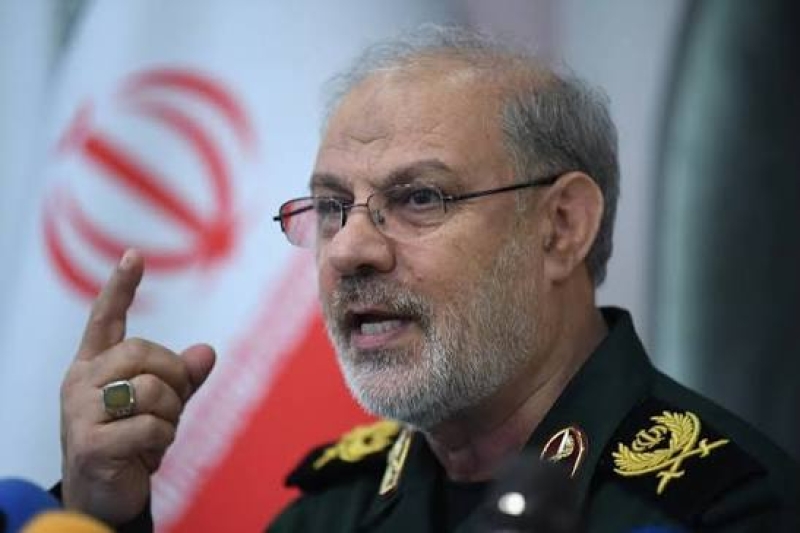
Iranian officials indicated Wednesday that Tehran has received an official U.S. response to its latest proposal aimed at ending the seven-month war, despite U.S. President Donald Trump publicly rejecting the offer just days earlier.
The officials did not disclose the contents of the response or say whether Washington had rejected the proposal.
Iranian Foreign Minister Abbas Araghchi presented the U.S. response to President Masoud Pezeshkian during a Cabinet meeting, government spokesperson Fatemeh Mohajerani told the state-run IRNA news agency.
“We will make every effort to bring the agreement to fruition and will firmly stand up for the rights of the Iranian people,” Pezeshkian said. “The agreement must now be based on a win-win strategy.”
The Cabinet meeting came after Araghchi returned to Iran from New York, where he had traveled for last week’s U.N. General Assembly. Iranian officials held indirect talks with U.S. officials there and also met with Qatari and Pakistani mediators on the sidelines of the annual gathering of world leaders.
Araghchi and his delegation were instructed by U.S. Secretary of State Marco Rubio to leave New York earlier than scheduled, according to two U.S. officials familiar with the decision. The officials spoke on condition of anonymity because they were discussing an internal administration process. The Iranian delegation left New York very early Tuesday.
Araghchi briefed the Cabinet on his New York trip and the meetings he held there, including Iran’s conditions for reopening the Strait of Hormuz, which Mohajerani said had been conveyed through mediators.
Araghchi said last week that he had proposed reopening the strait within a week if the U.S. agreed to lift its blockade of Iranian ports, release frozen Iranian assets and waive sanctions on Iranian oil sales, among other conditions.
Trump quickly rejected the proposal, saying Iran wanted a deal because it was “losing so badly” and that the offer “would not be acceptable.”
Despite Trump’s public rejection, mediators continued efforts to broker an agreement between Iran and the U.S. to end the fighting and reopen the strait, according to officials who spoke on condition of anonymity because they were not authorized to comment publicly.
Meanwhile, the U.S. Treasury Department on Tuesday announced new sanctions against people and companies around the world that it accused of serving as financial facilitators or enablers of Iran’s military supply chain.
The latest measures are part of the Trump administration’s “Operation Economic Outcast” campaign, which aims to cut off “critical financial lifelines” to Iran’s already heavily sanctioned government.
Ten people and entities in Iran, Hong Kong and Pakistan now face sanctions over allegations that they procured weapons and weapons components for Iran’s defense ministry as the country fights its seven-month war against the U.S.
Iran’s economy, which was already under severe pressure before the war began, has deteriorated sharply since the conflict started in late February.
The country’s currency fell to a record low on Tuesday, with traders in Tehran exchanging more than 2.5 million rials for one U.S. dollar. The decline reflected the continuing impact of the war in the Middle East on Iran’s economy.
The latest drop came only 27 days after the rial reached its previous record low of 2.2 million to the dollar on Sept. 2. The currency has repeatedly fallen to new lows since the war began in February.
Trump, speaking to reporters in the Oval Office on Wednesday, threatened to “blow them up” if the U.S. and Iran fail to reach a deal soon.
“It’s going to end very soon, one way or the other,” Trump said.
At the beginning of the conflict, Trump predicted that the war would last only weeks. More recently, he said he expects it will continue until after the Nov. 3 midterm elections in the U.S.
Medicine prices are soaring in Iran, while some treatments have become difficult to find, forcing patients and their families to struggle as a U.S. blockade and intensified sanctions put further pressure on the country’s pharmaceutical industry.
Prices of some medicines have more than tripled, adding to the financial burden on Iranians seven months into the war with the United States and Israel.
Prices of food and other goods have also surged, while unemployment has increased and the currency, which reached a record low this week, has lost half its value.
The war has become an economic endurance test. Iran has sought to push up global energy prices through attacks on oil shipping routes in the region, while the United States has sought to damage Iran’s economy by blockading its ports since June and imposing increasingly stringent sanctions.
Iran executes two men over violence during January protests
Also on Wednesday, Iran executed two men over their involvement in violence during nationwide anti-government protests in January, the state-run IRNA news agency reported.
Citing the country’s judiciary, IRNA said the men participated in unrest in the northeastern city of Mashhad that resulted in the deaths of four members of the security forces earlier this year.
Their death sentences were upheld by Iran’s Supreme Court before they were executed Wednesday morning.
The unrest began Dec. 28 amid public anger over Iran’s collapsing currency and deteriorating economy. It quickly spread across the country, with demonstrators increasingly calling for the overthrow of the Islamic Republic.
Iranian authorities responded with a deadly crackdown.
Rights groups say thousands of people were killed and tens of thousands arrested, while Iranian authorities have reported a substantially lower death toll, reports UNB.