

- PM, Kazakh Counterpart Agree to Boost Bilateral Ties |
- US-Iran Talks Continue Amid Nuclear Inspection Dispute |
- BSF attempt to push 9 people into Bangladesh foiled: BGB |
- IMF seeks removal of Bank Company Act’s Section 18(A) for loan package |
- High fuel prices fuel surge in Chinese EV sales; charging points lag behind |
HC Bars Disclosure of Unborn Child’s Gender
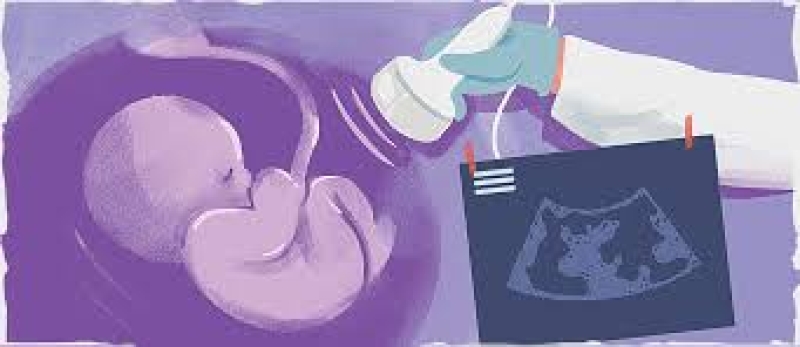
In a landmark ruling aimed at curbing unethical practices surrounding prenatal sex determination, the High Court has ordered that the gender of an unborn child cannot be disclosed.
The full text of the verdict, delivered by a High Court bench comprising Justice Naima Haider and Justice Kazi Zinat Hoque, was released on Monday.
In its observations, the court said the practice of determining and revealing the sex of a fetus encourages discrimination against women, fuels negative attitudes toward girl children, and contributes to social imbalance.
The court noted that such practices violate the dignity, equality, and right to life of women and are inconsistent with constitutional guarantees as well as international human rights obligations.
According to the ruling, prenatal sex disclosure promotes discriminatory attitudes against female children and may lead to gender imbalance in society. The judges warned that the practice could further deepen violence, neglect, and social prejudice against women and girls.
The High Court also observed that Bangladesh has long lacked effective regulation, monitoring, and accountability mechanisms to prevent such activities. The bench stressed that merely issuing guidelines is not enough, and that proper implementation, digital monitoring, and strict oversight are necessary to stop the unethical practice.
The verdict stated that prenatal sex determination and disclosure are inconsistent with the fundamental principles enshrined in Articles 18, 27, 28, 31, and 32 of the Constitution, which guarantee equality, human dignity, and the right to life.
The court further said the practice contradicts Bangladesh’s commitments under international human rights conventions and women’s rights protection frameworks.
Referring to legal measures adopted in countries including India, the judges noted that many nations have imposed strict controls on prenatal sex determination and disclosure. They emphasized the need for Bangladesh to adopt effective measures to prevent similar practices.
The High Court declared the directive a “continuous mandamus,” meaning the court will retain authority to monitor the implementation and progress of the order in the future.