

- PM, Kazakh Counterpart Agree to Boost Bilateral Ties |
- US-Iran Talks Continue Amid Nuclear Inspection Dispute |
- BSF attempt to push 9 people into Bangladesh foiled: BGB |
- IMF seeks removal of Bank Company Act’s Section 18(A) for loan package |
- High fuel prices fuel surge in Chinese EV sales; charging points lag behind |
Trump Rejects Iran Terms as Tensions Rise Again
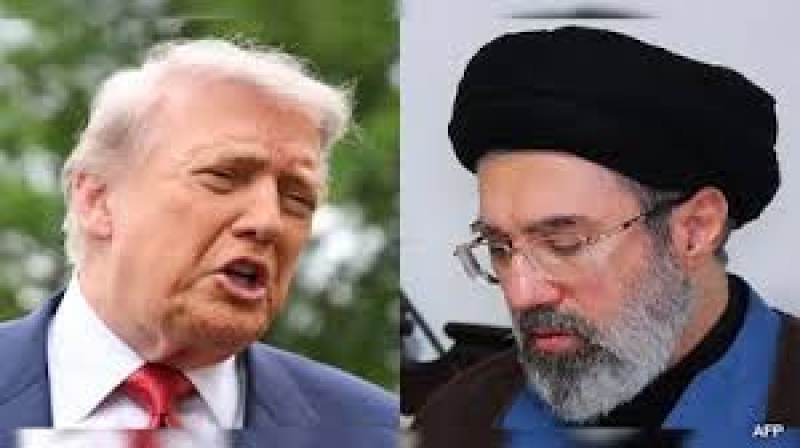
US President Donald Trump on Sunday rejected Iran’s latest conditions for ending the ongoing Middle East conflict, calling Tehran’s response to Washington’s peace proposal “totally unacceptable” and raising fears of renewed military escalation in the region.
In a post on his Truth Social platform, Trump said he had reviewed Iran’s counterproposal and strongly opposed it, though he did not disclose specific details of Tehran’s demands.
The latest diplomatic standoff came as Iran warned it would respond forcefully to any future US attacks and opposed the presence of additional foreign naval forces in the strategically vital Strait of Hormuz.
The conflict, which began on February 28 following coordinated military operations by Israel and the United States against Iranian targets, has continued to fuel instability across the Middle East despite weeks of behind-the-scenes negotiations.
Israeli Prime Minister Benjamin Netanyahu said the war could not end until Iran’s enriched uranium stockpile was removed and its nuclear facilities dismantled.
“It’s not over,” Netanyahu said in an interview aired Sunday, insisting Iran’s nuclear capabilities remained a major security threat.
Iran, however, maintained a defiant stance. President Masoud Pezeshkian said Tehran would never surrender under pressure.
“We will never bow down to the enemy,” Pezeshkian wrote on social media, adding that dialogue should not be interpreted as weakness or retreat.
According to Iranian state media, Tehran’s proposal, sent through Pakistani mediators, focused on ending military operations across the region, particularly in Lebanon, where clashes involving Israel and Iran-backed Hezbollah continue. The proposal also emphasized ensuring maritime security in the Gulf.
Reports indicated that the US proposal sought an extension of the current ceasefire to create space for broader negotiations over Iran’s nuclear program and regional security issues.
The deadlock has already shaken global energy markets. International benchmark Brent crude oil surged sharply in early Monday trading, crossing $104 per barrel amid concerns over instability in Gulf shipping routes.
The Strait of Hormuz, through which nearly one-fifth of the world’s oil supply passes, has become a major flashpoint in the crisis. Iran earlier imposed restrictions in the area and introduced toll mechanisms for vessels passing through the strategic waterway.
Washington has strongly opposed any Iranian control over the strait, while the US Navy has increased operations around Iranian ports and commercial routes.
Meanwhile, Britain and France are leading international efforts to establish a multinational maritime security arrangement aimed at protecting shipping lanes after a potential peace agreement.
Iran warned that any deployment of foreign naval forces in the Strait of Hormuz would face an “immediate and decisive response.” Deputy Foreign Minister Kazem Gharibabadi said only Iran had the right to ensure security in the strait.
French President Emmanuel Macron later said Paris had not planned a direct military deployment in the area, but rather a coordinated security mission involving regional partners.
Tensions further escalated after fresh drone incidents were reported across the Gulf on Sunday. The United Arab Emirates and Kuwait said their defense systems intercepted hostile drones, while Qatar reported that a cargo vessel entering its waters had been struck by a drone.
Although no group immediately claimed responsibility, Iranian media reported that the targeted vessel near Qatar was sailing under a US flag.
Iranian officials also issued new warnings to Washington. Ebrahim Rezaei said Iran’s “restraint is over” and warned that any attack on Iranian ships would trigger strong retaliation against American vessels and military bases in the region.