

- Govt Steps Up Efforts to Modernise Shipping Sector |
- PM arrives in New York to attend 81st UNGA session |
- Jatri Kalyan Samity urges withdrawal of increased fuel prices |
- Global Diesel Shortage Likely to Persist Into 2027 |
- PM to Present Bangladesh Vision at UNGA: Mahdi |
Govt Steps Up Efforts to Modernise Shipping Sector
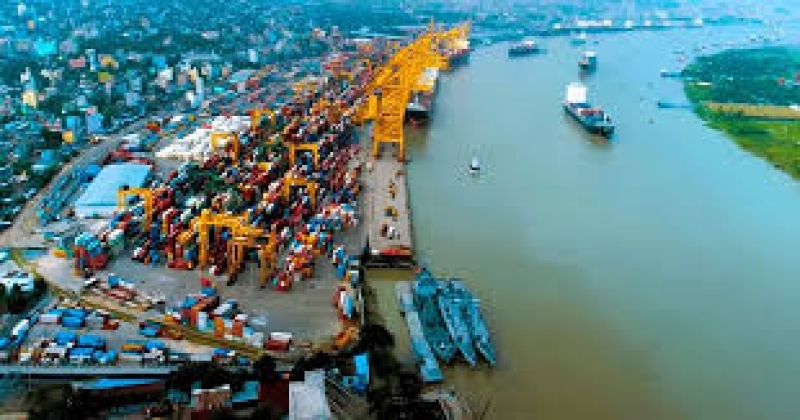
Bangladesh is pursuing a broad modernisation of its shipping sector, combining new deep-sea and container terminals with dredging, expanded port capacity, digitalisation and improved inland waterways to strengthen the country’s trade infrastructure.
According to the FY2026-27 budget documents, the government has adopted a series of initiatives to increase cargo and container-handling capacity, improve vessel-handling efficiency, expand dredging activities and increase port-yard capacity. The FY2026-27 budget includes separate allocations and plans for major state-owned organisations in the transport and communications sector, including the Chattogram, Mongla and Payra port authorities.
The broader plan also covers development of sea and land ports, modernisation of river ports and launch terminals, maintenance of inland waterways and strengthening of safety and institutional capacity.
Chattogram Faces Growing Pressure
Chattogram Port, the country’s principal maritime gateway, has experienced a sharp increase in cargo and container handling in recent years.
In 2025, the port handled 3.409 million TEUs of containers and 138.15 million tonnes of cargo, both record levels at the time. Container handling rose 4.07% and cargo handling 11.43% from 2024.
The port operates round the clock, and the government is taking measures to increase its capacity and efficiency. These include the operation and expansion of container terminals, regular capital and maintenance dredging, procurement of new cargo-handling equipment and digitalisation of port services.
The port has also been moving towards paperless operations, including digital gate access, online services and real-time operations.
Bay Terminal to Accommodate Larger Vessels
The planned Chattogram Bay Terminal is expected to become a major component of the country’s maritime expansion.
The terminal is intended to allow larger vessels to berth directly at Chattogram, reducing reliance on transshipment and helping lower shipping and logistics costs.
At present, navigational limitations restrict the size of vessels that can directly enter Chattogram Port. The planned expansion is expected to improve vessel handling and reduce waiting time.
Laldia Adds New Capacity
The Laldia Container Terminal is another major component of the planned expansion of Chattogram Port.
Construction of the $550 million terminal formally began in August. Developed by APM Terminals under a public-private partnership, the facility is expected to handle around one million TEUs annually and significantly increase the port’s container-handling capacity.
The project is expected to introduce modern equipment and technology into port operations while bringing international expertise to Bangladesh’s logistics sector.
Under the concession arrangement, APM Terminals will develop and operate the facility for the agreed concession period.
Matarbari to Open Deep-Sea Access
The Matarbari Deep Seaport in Cox’s Bazar represents another major shift in Bangladesh’s maritime infrastructure.
The under-construction port is expected to provide deep-water access for larger vessels, allowing Bangladesh to handle ships that cannot currently call directly at Chattogram Port.
The facility is also expected to reduce dependence on foreign transshipment hubs by enabling larger vessels to call directly at a Bangladeshi port.
The government expects the project to reduce shipping time and transshipment-related logistics costs while improving Bangladesh’s competitiveness in international trade.
Matarbari could also create opportunities for regional transit and trade, potentially strengthening Bangladesh’s position as a maritime hub in South Asia.
Mongla Emerging as Second Gateway
Mongla Port is also undergoing expansion to increase its role in Bangladesh’s maritime trade.
The projects are expected to substantially increase the port’s container and cargo-handling capacity and improve its ability to serve as an alternative gateway for the country’s international trade.
Additional jetties and other infrastructure are being developed to expand container-handling capacity.
Payra Also Gets Attention
Payra Port is another key component of the government’s maritime development strategy.
The government plans maintenance dredging of the Rabnabad Channel and procurement of trailing suction hopper dredgers to maintain navigability and strengthen the port’s operational capacity.
The Payra Port Authority is implementing several projects aimed at developing a fully fledged seaport.
Dredging is particularly important for maintaining the required channel depth in the heavily silted riverine environment.
Dredging as a National Priority
Dredging is emerging as one of the most important elements of the government’s water transport strategy.
Beyond port channels, the government has undertaken a broader programme of river and canal excavation and re-excavation to improve navigability and water management.
The Water Resources Ministry has set a target of excavating and re-excavating 20,000 kilometres of canals across the country over five years.
From Traditional Ports to Smart Ports
Digitalisation is another major pillar of the modernisation programme.
At Chattogram Port, online port-community services, e-delivery orders, e-payment services, e-gate passes and other digital systems are being introduced as part of efforts to establish a paperless port.
The port has already made significant progress towards becoming a smart port, with digital operations, automated gate access and enhanced cybersecurity among the measures being introduced.
Human Resources and Safety
The modernisation plan also places emphasis on institutional capacity.
The government plans to modernise vessel-registration systems, expand digital services, develop skills and generate employment opportunities for seafarers.
Safety on inland waterways is another priority, with plans to modernise river ports and launch terminals and strengthen navigational aids.
The Bangladesh Inland Water Transport Authority has also been instructed to coordinate with relevant agencies to improve the safety of vessels operating on the country’s waterways.
Overall, the government’s plans are aimed at expanding Bangladesh’s port capacity while improving efficiency, reducing logistics bottlenecks and strengthening the maritime infrastructure supporting international trade.