

- First cruise ship crosses Strait of Hormuz since war began |
- MDBs stress co-op support global stability amid uncertainty |
- PM opens first Hajj flight, visits Ashkona camp |
- River ports asked to hoist cautionary signal No 1 |
- Oil prices drop 9% & Wall Street rallies to a record after Iran reopens Hormuz |
Israel-Lebanon hold first direct talks since 1993 in Washington
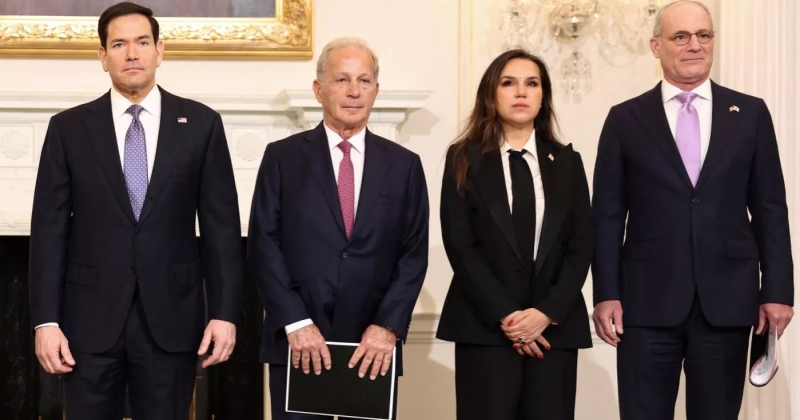
Israel-Lebanon hold first direct talks since 1993 in Washington. AP photo
WASHINGTON, Apr 14 (AP/UNB) — Israel and Lebanon have held their first direct talks since 1993, with the United States brokering high-level discussions aimed at securing a ceasefire, though major obstacles remain, particularly Hezbollah’s rejection of the process.
The meeting took place Tuesday at the US State Department in Washington, with Lebanese Ambassador Nada Hamadeh and Israeli Ambassador Yechiel Leiter participating. US Secretary of State Marco Rubio also attended, underscoring what officials described as the “historic” nature of the talks.
Washington said the engagement was “open, direct, high-level,” and framed it as necessary amid escalating violence between Israeli forces and Hezbollah fighters in southern Lebanon.
Lebanon is pushing for an immediate ceasefire to halt Israeli attacks that have killed over 2,000 people and displaced more than one million, while Israel has ruled out a ceasefire and is instead demanding Hezbollah’s disarmament.
Israeli Prime Minister Benjamin Netanyahu has also floated plans for new security arrangements in southern Lebanon, including potential buffer zones and phased control involving Israeli forces and the Lebanese army.
However, Hezbollah has strongly opposed the talks, calling them “futile” and urging Beirut to withdraw. The group insists disarmament can only be discussed after a full Israeli withdrawal and says it will not abide by any agreement reached.
Analysts say the prospects for a breakthrough remain slim, with ongoing fighting—particularly around the strategic town of Bint Jbeil—likely to shape the outcome of any negotiations.