

- Speaker sees no possibility of Hasina's return even in 10-yrs |
- Bangladesh Ambassador to Japan returns home ahead of PM’s visit |
- Sajek Road Blockade: 2,933 Tourists Evacuated Amid Gunfire |
- Climate Crisis May Displace 7.5% of Bangladeshis by 2050 |
- NEIR Rollout Targets Tk 2,000cr Revenue Loss From Illegal Phones |
US Microbiologist Wins 2026 Lee Kuan Yew Water Prize
She is Behind Global Water Safety Breakthrough
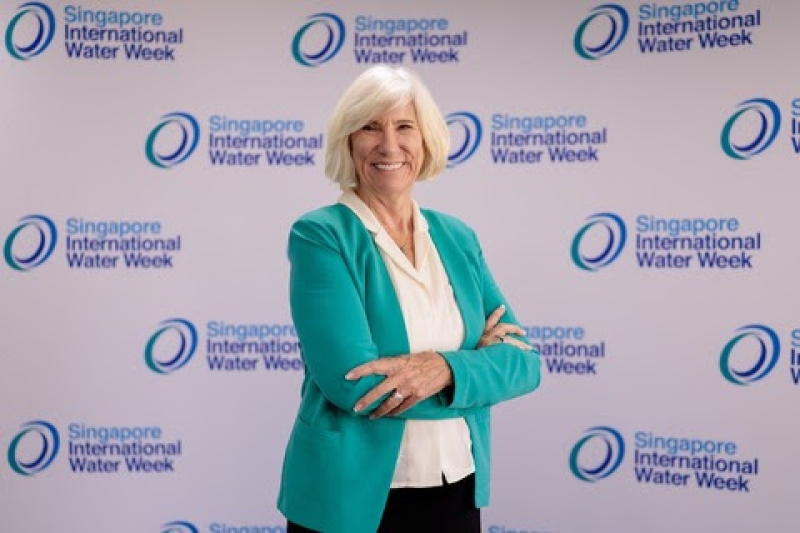
Prof Joan Bray Rose, Homer Nowlin Chair in Water Research and Director of the Water Alliance.
Professor Joan Bray Rose has been awarded the Lee Kuan Yew Water Prize 2026 for her work as a key pioneer in the development and global adoption of Quantitative Microbial Risk Assessment (QMRA), a science-based approach to safeguard the quality of drinking water, as well as water reuse systems. Her work has transformed the science of microbial risk management and guided policies that protect public health and ensure safe water for communities worldwide. Her expertise in the domain of water quality and health has also played a key role in strengthening Singapore’s used water management, and the introduction of NEWater, Singapore’s third National Tap.
Professor Rose is a distinguished international academic and leading expert in water microbiology, water quality and public health protection. Her research focuses on the detection and control of microbial pathogens in water, encompassing molecular detection methods, pathogen surveillance, microbial source tracking, and their removal through water and wastewater treatment processes. She has also advanced the study on microbial pathogens in recreational waters and examined how climatic factors influence water quality. Over her career, she has authored over 300 scientific publications, with more than 43,000 citations.
Professor Rose will receive the gold medallion and the award certificate at the Lee Kuan Yew Water Prize 2026 Award Ceremony on 16 June 2026, held during the official opening of the Singapore International Water Week 2026. She will also deliver a keynote lecture the same day. The Lee Kuan Yew Water Prize is presented in partnership with Temasek Foundation.
In her response to the announcement of the award Professor Joan Bray Rose said, “I am deeply honoured to receive this esteemed award. This recognition reflects our collective progress in advancing microbial risk science and its role in protecting public health today. Safe water is one of the world’s most fundamental yet unevenly distributed resource critical to sustaining human life. As microbial risks continue to evolve, strengthening the robustness of our water systems remains an ongoing endeavour to ensure they remain dependable and resilient; safeguarding both water quality and people’s lives.” – Press release