

- Trump says no longer sending Witkoff and Kushner to Pak for Iran talks |
- Iran FM Leaves Pakistan Before US Delegation Arrives |
- BIP calls for shift to public transport to ensure energy security |
- Commercial flights resume at Tehran airport after two months |
- 11 more children die of measles, similar symptoms in 24 hrs: DGHS |
Iran vows to react if U.S. continues "blockade, banditry" in region
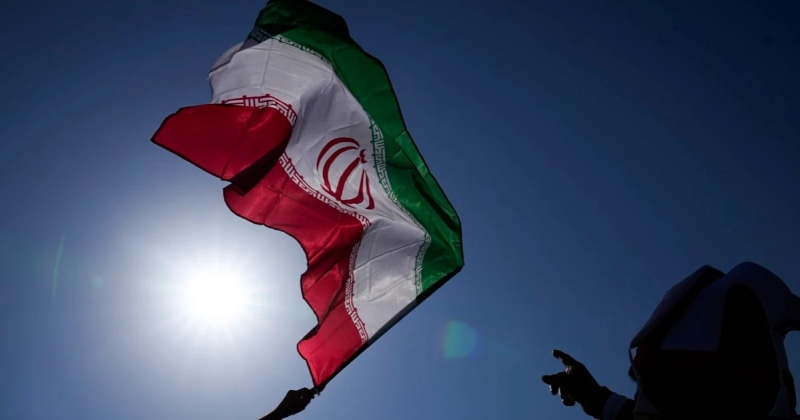
Iran to react if US blockade continues.
TEHRAN, April 25 (Xinhua/UNB) -- Iran's main military command, Khatam al-Anbiya Central Headquarters, vowed Saturday to react if the United States continues its "blockade, banditry and piracy" in the West Asia region.
It made the announcement in a statement carried by Iranian media while pointing to the U.S. naval blockade imposed on the Strait of Hormuz, which prevents vessels traveling to and from Iranian ports from transiting the waterway, and actions against Iran-bound ships over the past few days.
It called on the United States to know that Iran's armed forces are more powerful and prepared than before to defend the country's national sovereignty and interests as well as territorial integrity, adding the U.S. army experienced part of Iran's power and offensive capabilities during the recent war.
It said Iran's armed forces are ready and determined to, while monitoring the "enemies' behavior and movements" in the region and continuing their management and control over the Strait of Hormuz, inflict more severe damage on the U.S. and Israeli "enemies" if they repeat their "aggression."
Also on Saturday, Saudi state-linked Al Arabiya News, citing a source, reported that Iran will not acquiesce to negotiations involving red lines set by the United States.
The developments came as Iranian Foreign Minister Seyed Abbas Araghchi on Saturday conveyed Iran's considerations and views regarding the end of the war in a meeting with Pakistan's Army Chief Asim Munir, the semi-official Tasnim news agency reported.
Araghchi, who arrived in Pakistan's capital Islamabad Friday night at the head of a diplomatic delegation, also exchanged views with Munir on the latest developments pertaining to a ceasefire with the United States and Israel, and the end of the war, as well as the expansion of bilateral cooperation to strengthen peace and stability in the West Asia region, the report said.
Iran had tightened control over the Strait of Hormuz since Feb. 28, when it barred passage to vessels belonging to or affiliated with Israel and the United States after the two countries' joint strikes on Iranian territory.
A ceasefire was achieved between Iran, the United States and Israel on April 8 after 40 days of fighting, followed by lengthy talks between Iranian and U.S. delegations in Islamabad on April 11-12, which failed to yield an agreement. The United States later imposed its own blockade on the waterway.
Iranian and U.S. delegations were reportedly expected to hold another round of peace talks in Pakistan this week, but Iran refrained from attending negotiations, citing the U.S. continued naval blockade and "excessive" demands as the main reasons.