

- Govt pursuing zero tolerance against human trafficking, organised crime: Salahuddin |
- PM Seeks Japan’s Help to Build Technology, Innovation Hubs |
- Bangladesh Plans Bonded Warehouse Reforms to Diversify Exports |
- Dhaka ranks 4th among world's most polluted cities this morning |
- Lula re-elected Brazilian president in runoff |
Dhaka Condemns Hasina's Media Event in New Delhi
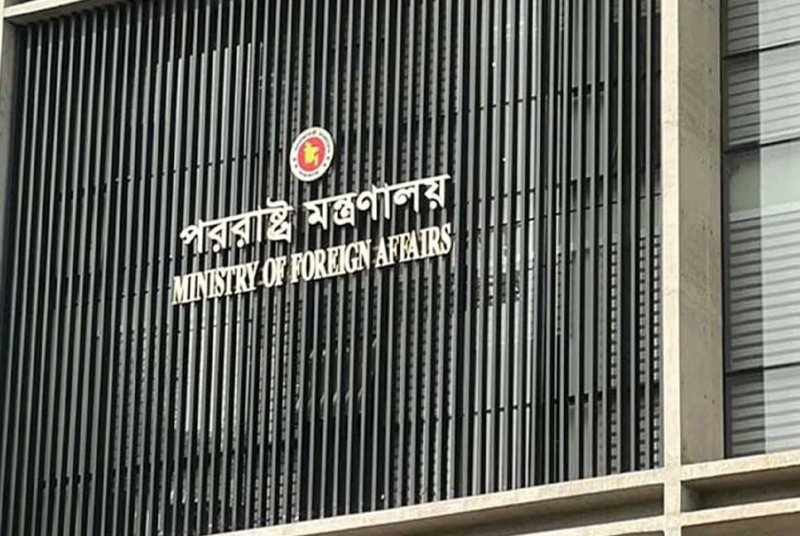
Bangladesh on Wednesday night strongly criticised former prime minister Sheikh Hasina's live media interaction in New Delhi, describing the event as an affront to the country's sovereignty and harmful to efforts to strengthen bilateral relations with India.
In a statement, the Ministry of Foreign Affairs (MoFA) said Bangladesh was outraged that Sheikh Hasina, whom the government described as an absconding convicted individual, had been allowed to participate in a live media programme in the Indian capital.
The ministry alleged that during the event, Hasina and her associates made remarks against Bangladesh and its people.
According to the statement, Dhaka had conveyed its concerns to the Indian government in advance, warning that the programme could negatively affect ongoing efforts to improve bilateral relations. However, the event was allowed to proceed.
The ministry said the media interaction, held on the second anniversary of the July Revolution, was an affront to Bangladesh's sovereignty and an insult to those who lost their lives during the July movement.
MoFA also criticised remarks made during the event that, according to the government, denied findings established by the United Nations regarding the killing of civilians, including children, during the July-August 2024 violence.
"The people of Bangladesh had already rejected such attempts in the past and continue to do so," the statement said.
Reaffirming the spirit of the July Revolution, the ministry said the people of Bangladesh remained committed to ensuring that the country would never return to authoritarian rule.
The statement also reiterated Bangladesh's commitment to maintaining a constructive, mutually beneficial and forward-looking relationship with India based on sovereign equality, mutual respect, non-interference in each other's internal affairs and national dignity.
However, the ministry expressed disappointment that Bangladesh's repeated requests for Sheikh Hasina's return under the Bangladesh-India Extradition Treaty signed in 2013 have yet to receive a response.
It added that allowing the former prime minister to publicly interact with the media had deeply hurt public sentiment in Bangladesh and could undermine the development of harmonious bilateral relations between the two neighbours.