

- PM Orders Study on Restoring Universal Stipends for Girls |
- President urges KSA to make hajj more convenient for Bangladeshi pilgrims |
- Second Teesta Bridge: Costly shortcut that heavy vehicles cannot take |
- March in Stockholm for stronger climate action ahead of polls |
- Dhaka ranks 18th in global air quality ranking Monday morning |
Rohingya Crisis: Global Community Urges Long-Term Strategy
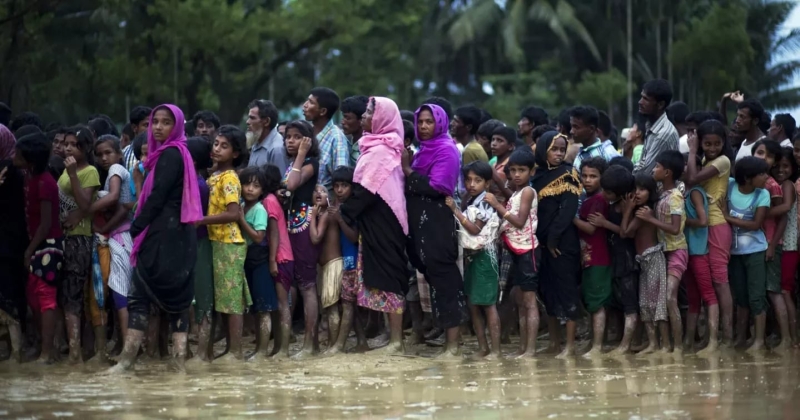
As the Rohingya crisis enters its 10th year, the international community has called for a strategic, coordinated and long-term approach to address the root causes of displacement and create conditions for the refugees’ safe and sustainable return to Myanmar.
In a joint statement on Tuesday, diplomatic missions from 15 countries and the European Union said they must ensure that the Rohingya people are not forgotten.
“Creating the conditions for return will require a strategic, coordinated and long-term approach to address the root causes of displacement, build trust between communities, and support greater peace and stability in Myanmar,” they said.
Australia, Canada, Denmark, the European Union, Finland, France, Germany, Ireland, Italy, Japan, Kosovo, the Netherlands, Norway, Sweden and the United Kingdom issued the statement marking the anniversary of the mass displacement.
Nearly 1.3 million Rohingya refugees are currently living in Bangladesh, nine years after the mass influx from Myanmar.
The missions paid tribute to the resilience and dignity of Rohingya communities and thanked the government and people of Bangladesh for providing refuge for nearly a decade.
They reaffirmed that Rohingya refugees have the right to return to their homes in Myanmar.
However, escalating conflict in Rakhine State and growing humanitarian needs are making repatriation increasingly difficult. The statement cited insecurity, airstrikes on civilian infrastructure and restrictions on humanitarian aid and trade as factors worsening the crisis.
“These conditions do not currently allow for voluntary, safe, dignified and sustainable repatriation,” the missions said.
They also stressed the importance of providing Rohingya refugees with education and skills needed to rebuild their homes, livelihoods and communities in Rakhine.
The partner countries said they would continue working with Bangladesh to create conditions for repatriation while supporting Rohingya refugees and host communities in the meantime.
They also called for stronger self-reliance among refugees and improvements in the way humanitarian assistance is delivered.
The missions expressed support for greater involvement of Bangladeshi and refugee-led organisations in designing and delivering aid, stressing that Rohingya voices should remain central to decisions affecting their lives and future.