

- High medicine prices threaten healthcare of poor communities |
- Curtain falls on a political giant as Khaleda Zia passes into history |
- BNP Expels Nine Leaders Over Defiance and Poll Bids |
- India, Pakistan FMs to Attend Khaleda Zia’s Funeral |
- Global Leaders Pay Tribute as Condolences Pour In for Khaleda Zia |
India, Pakistan FMs to Attend Khaleda Zia’s Funeral
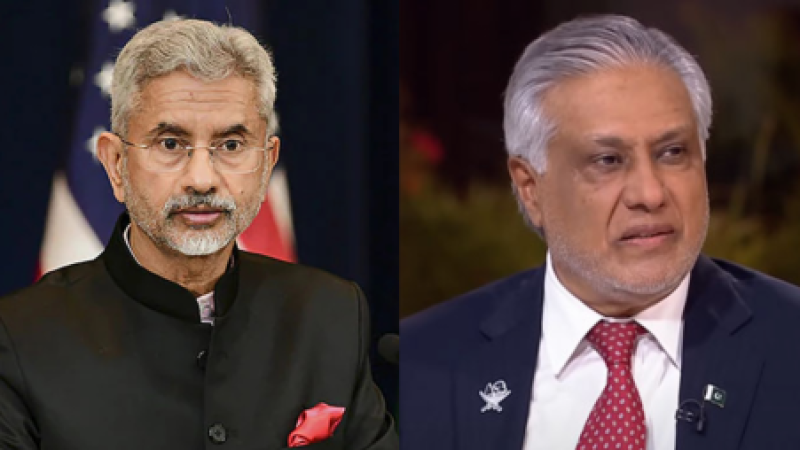
A collage of Indian External Affairs Minister S Jaishankar and Pakistan Deputy Prime Minister and Foreign Minister Ishaq Dar.
Indian External Affairs Minister S Jaishankar and Pakistan’s Deputy Prime Minister and Foreign Minister Ishaq Dar are set to arrive in Dhaka to attend the namaz-e-janaza of BNP Chairperson and former prime minister Begum Khaleda Zia.
In a statement issued on Tuesday, India’s Ministry of External Affairs said Jaishankar would represent the government and people of India at the funeral of the late Bangladeshi leader and would visit Dhaka on December 31 for the purpose.
Officials concerned have also confirmed that Pakistan’s Foreign Minister Ishaq Dar is expected to attend the funeral prayers scheduled for Wednesday, marking a rare moment of joint presence by senior leaders from the two South Asian neighbours.
Begum Khaleda Zia passed away around 6:00am on Tuesday while undergoing treatment at Evercare Hospital in Dhaka. She was 79.
Born on August 15, 1946, Khaleda Zia led the Bangladesh Nationalist Party for decades, navigating periods of political upheaval, imprisonment and political resurgence. She served as prime minister three times—1991 to 1996, briefly in 1996, and again from 2001 to 2006.
She is recognised as Bangladesh’s first female prime minister and the second elected woman prime minister in the Muslim world.
Following her death, leaders and governments from across the globe have expressed deep condolences, underscoring her stature as a central figure in Bangladesh’s political history and regional affairs.