

- Around 7,500 Bangladeshis imprisoned in Saudi Arabia: Shama Obaed |
- Bangladesh Outperforms India in Global Hunger Index 2026 |
- Covered van hits Gazipur police patrol team, killing SI, BNP leader |
- Korean City scrambles to rescue dusky shark after it returns to canal |
- PM inspects Mongla Port, Sundarbans, proposed economic zone |
Iran expects acceptable, peaceful polls in Bangladesh
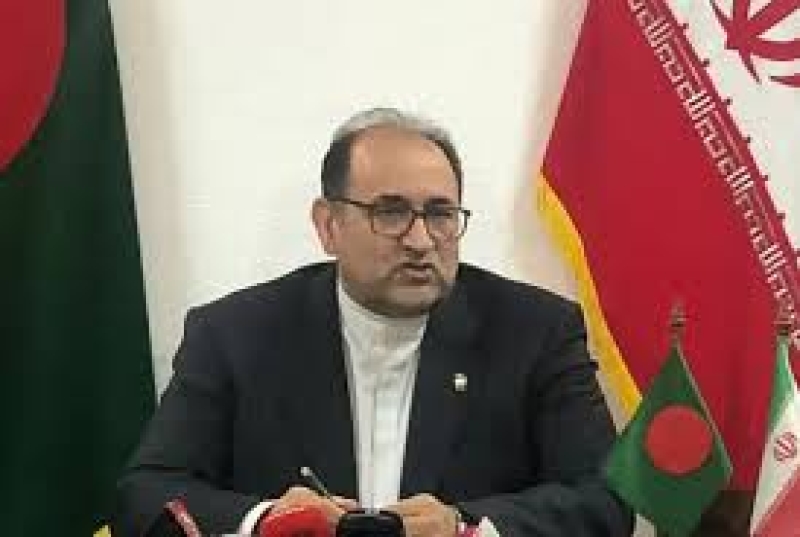
Iranian Ambassador to Bangladesh Jalil Rahimi Jahanabadi on Monday expressed optimism that Bangladesh would move towards progress and prosperity through an acceptable and peaceful election in the country.
“I hope that there will be peaceful and acceptable elections, and Bangladesh will move towards progress and prosperity,” he said while responding to a question during an interaction at the Embassy, stressing that the people of Bangladesh are politically conscious and generous.
The Ambassador said Iran does not want war; however, if attacked, Iran has the right to self-defence according to Article 51 of the UN Charter.
Article 51 says ‘Nothing in the present Charter shall impair the inherent right of individual or collective self-defence if an armed attack occurs against a Member of the United Nations, until the Security Council has taken measures necessary to maintain international peace and security.
Measures taken by Members in the exercise of this right of self-defence shall be immediately reported to the Security Council and shall not in any way affect the authority and responsibility of the Security Council under the present Charter to take at any time such action as it deems necessary in order to maintain or restore international peace and security.’
The Ambassador said the situation in Iran is calm now and internet services will return to normal within a few days.
He said Iran's economy is under pressure due to US sanctions and the value of Iran's currency against foreign currencies is fragile.
Seeking a remedy, businessmen, especially importers, began peaceful protests on December 28, which is legal under Iran's existing law, said Ambassador Jahanabadi.
But within a week, he said, one party began widespread attacks on government and private establishments, police stations, and businesses that were unwilling to join the movement. “Security forces took action to control the situation.”
The Ambassador claimed that an armed group entered the protesters and killed more than a hundred policemen.
Some members of the security forces were killed by slitting their throats, he said, adding that after the attack on the hospitals, killing nurses, and burning ambulances one after another and fire brigade vehicles after another, the security forces took a tough stance.
After listening to conversations through surveillance devices and from various credible sources, including the statements of those arrested, the security forces were convinced that this was not an ordinary movement but a violent plan to overthrow the government, reports UNB.