

- 13-Year-Old Apratim’s Death Leaves Cumilla in Grief |
- Iran Sets 3 Conditions to End War and Resume US Talks |
- PM Urges World Leaders to Work Together to Achieve SDGs |
- ‘Violence will only defer a problem’: UN Assembly President |
- Ninth Pay Scale Gazette Issued, Higher Salaries From July |
Central Bank Buys $798m in January to Steady Rate
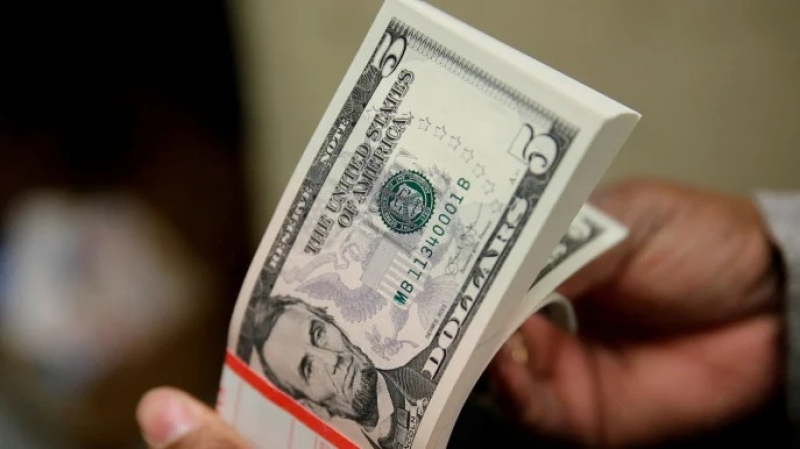
Representational image.
The Bangladesh Bank has been purchasing US dollars from commercial banks to prevent the exchange rate from falling amid rising supply in the foreign exchange market. The intervention has been underway since July of the current fiscal year as dollar inflows began to exceed demand.
On 29 January, the central bank bought $55 million from five commercial banks at a rate of Tk 122.30 per dollar, according to Bangladesh Bank spokesperson Arif Hossain Khan.
With the latest purchase, total dollar buying by the central bank in the current fiscal year has reached $3.93 billion, including $798 million acquired in January alone.
At a seminar earlier this week, Bangladesh Bank Governor Ahsan H Mansur said commercial banks were voluntarily selling dollars to the central bank, increasing the flow of taka in the market. He noted that higher dollar inflows were a key factor behind deposit growth.
The governor also said the increased supply of foreign currency had helped the country post a surplus in its balance of payments, adding that continued inflows would further support domestic deposits.
Bangladesh Bank’s dollar purchases are part of its market intervention strategy under the market-based exchange rate regime. The approach aims to maintain balance by allowing the dollar price to ease when supply is high while leaving room for appreciation when demand rises.
Bankers said the recent easing of dollar demand stems from reduced government foreign payments, sluggish business activity and weak investment, which have lowered imports of capital machinery and eased pressure on the exchange rate.