

- ECNEC Approves 8 Projects Worth Tk 2,266 Crore |
- No Plan to Drop Bangla, History from Honours: Milon |
- Global turmoil shadows Bonn climate talks |
- Dhaka's air quality recorded ‘moderate’ Tuesday morning |
- Court seeks Interpol red notices for 2 fugitives in Tonu killing |
Middle East Tensions Push Dollar Rate to Tk123
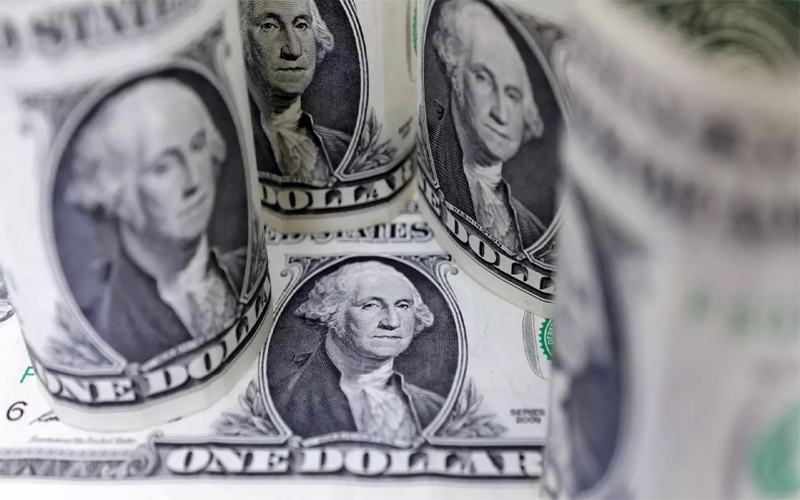
The ongoing tensions in the Middle East have started to affect Bangladesh’s foreign exchange market, pushing up the price of the US dollar for both remittance purchases and import payments.
On Tuesday, commercial banks were seen buying remittance dollars at rates as high as Tk122.90 per dollar. As a result, the exchange rate for settling import letters of credit (LCs) has climbed to around Tk123, according to banking sources.
Only a week earlier, the dollar rate for import payments hovered at about Tk122.50. The increase of nearly 50 paisa per dollar within days has raised concerns among importers and businesses.
Some importers alleged that banks are taking advantage of the uncertainty created by the Middle East crisis. They warned that the higher dollar rate is increasing import costs, which may ultimately push up prices for consumers.
Bankers, however, say the rising rate is largely driven by uncertainty in global markets. Foreign remittance houses are reportedly demanding higher rates due to the volatile situation, which has pushed remittance dollar prices close to Tk123.
Data from the central bank’s latest exchange rate report also shows an upward trend. The average dollar rate rose from Tk122.33 on March 3 to Tk122.58 in recent days.
A senior official of a private commercial bank said the central bank has informally advised banks to keep the dollar rate from crossing the Tk123 mark for now.
However, he warned that the price could rise further if pressure from import payments increases and the supply of dollars remains tight. In such a situation, the central bank may need to provide support from foreign exchange reserves to stabilise the market.
Industry analysts say moving towards a fully market-based exchange rate system would help improve the supply of dollars in the local market and reduce volatility.