

- Bangladesh Economy Tops $500bn for First Time |
- People positive on Padma Barrage, experts urge caution over fallout |
- Parties convey their expectations at Bonn climate talks |
- ECNEC Approves 8 Projects Worth Tk 2,266 Crore |
- No Plan to Drop Bangla, History from Honours: Milon |
Govt Plans Organised Zakat System to Fight Poverty
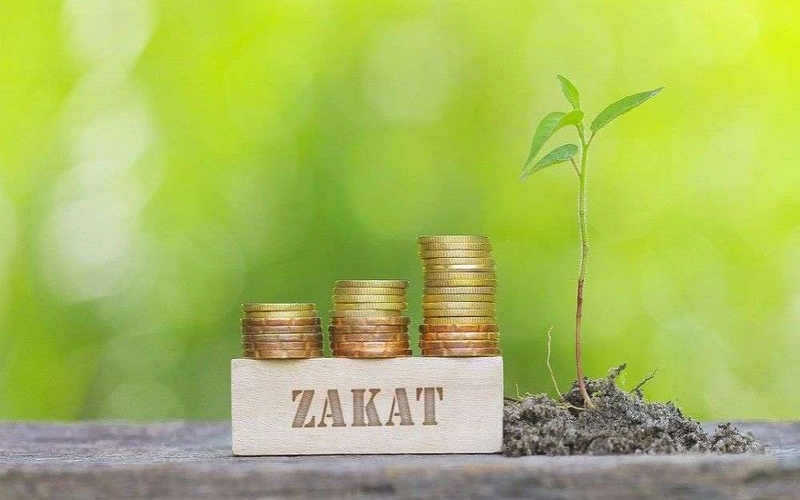
The government’s plan to bring zakat management under a more organised and coordinated system has sparked optimism among economists and Islamic scholars, who say it could become a powerful tool for reducing poverty in Bangladesh if implemented effectively.
Prime Minister Tarique Rahman recently directed the relevant authorities to make the country’s zakat management system more structured, ensuring that funds contribute meaningfully to poverty alleviation.
Speaking at a programme at the state guest house Jamuna last week in honour of Islamic scholars and orphans, the Prime Minister said the government is exploring ways to make zakat distribution more targeted and efficient.
“I would like to share my plan regarding zakat management in the country,” he said, noting that while many wealthy individuals distribute zakat independently, others channel their contributions through the government’s Zakat Board.
Various studies estimate that annual zakat distribution in Bangladesh may exceed Tk 20,000–25,000 crore, with some estimates suggesting even higher amounts. However, in the absence of a structured system, it remains unclear how effectively these funds reduce poverty.
The Prime Minister emphasised that Islamic teachings encourage distributing zakat in ways that help recipients become self-reliant. “If zakat can be distributed through a planned system, it could play a transformative role in eliminating poverty,” he said.
Bangladesh currently has around 40 million families. Tarique Rahman suggested that if poor and extremely poor households are properly identified and about five lakh families are provided Tk 1 lakh each annually in phases, many could become financially independent. With such a targeted approach, he expressed optimism that zakat could significantly contribute to poverty reduction within the next 10–15 years.
To implement the plan, the government is considering restructuring the Zakat Board under the Ministry of Religious Affairs, involving leading Islamic scholars, economists, and government officials. Authorities believe such a model could position Bangladesh as an example for other Muslim-majority countries in utilising zakat for poverty alleviation.
The Prime Minister also instructed the Religious Affairs Minister to ensure zakat management becomes more disciplined and effective. According to Atikur Rahman Ruman, the Prime Minister’s Additional Press Secretary, a recent meeting on zakat management included As-Sunnah Foundation Chairman Shaykh Ahmadullah.
“The Prime Minister wanted to know how zakat funds could be distributed more effectively and contribute to poverty reduction,” he said.
Turning Charity into Empowerment
Experts say zakat can have a lasting impact if used not only for short-term relief but also for skill development and employment generation. Shaykh Ahmadullah shared the experience of the As-Sunnah Foundation, which used about Tk 13 crore last year to provide skill development training to 2,100 unemployed youths, helping them secure jobs.
Those trained youths collectively earned around Tk 42 crore over the past year, showing how zakat-based programmes can create sustainable income opportunities. Ahmadullah also emphasised the need to bring zakat-collecting charities under a regulatory framework.
“If the government introduces policies and creates a competitive environment to assess the effectiveness of these organisations, the impact will be much greater,” he said. He added that the annual zakat volume across Organisation of Islamic Cooperation countries is estimated at around $600 billion (roughly Tk 45 trillion), highlighting the potential benefit for Bangladesh if a proper mechanism is developed.
Economists Welcome the Move
Economists have welcomed the initiative, describing it as a positive step for the country’s economy. Prof Mohammed Helal Uddin, Executive Vice Chairman of the Microcredit Regulatory Authority (MRA), said structured zakat collection could gradually reduce poverty at the grassroots level.
Prof Abdul Bayes, former Vice-Chancellor of Jahangirnagar University, noted that unregulated zakat often prevents real beneficiaries from receiving support. “In many cases, vested interests have diverted these funds, sometimes even to extremist activities. Regulation would ensure resources reach the rightful recipients,” he said.
Need for Reforms and Transparency
Islamic economists have suggested revising the Zakat Fund Management Act, 2023, to strengthen the Zakat Board and ensure transparency in zakat collection, distribution, and utilisation.
Sharia economist Shaykh Muhammad Ayub Ali Hossain said much of Bangladesh’s zakat currently goes to orphanages, mosques, and madrasas, yet beneficiaries’ living standards often remain unchanged. “The main reason is the scattered and unplanned distribution of zakat,” he said.
Countries such as Indonesia and Malaysia have demonstrated success in managing zakat through organised government systems. Experts say that if Bangladesh introduces a structured, transparent, and possibly digital zakat management system, the funds could play a major role in reducing poverty and improving livelihoods nationwide.