

- UN, partners appeal for USD 710.5 mn for Rohingya response in BD |
- Govt to Build Ganga, Teesta Barrages for Water Security |
- Bangladesh Warned Repeatedly Over Measles Vaccine Gap |
- 163 Olive Ridley turtle hatchlings found on Kuakata beach |
BERC Proposes Tk1.25 Power Tariff Hike to Cut Subsidy
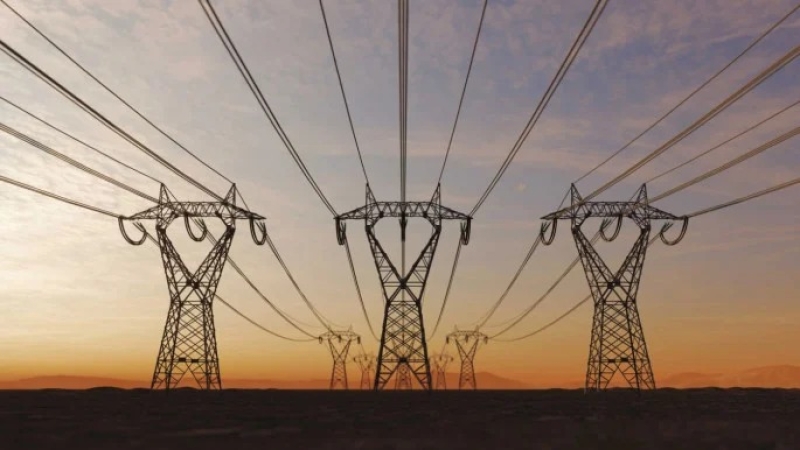
Representational image. Photo: Collected
The Technical Evaluation Committee (TEC) of the Bangladesh Energy Regulatory Commission has recommended a weighted average increase of Tk1.25 per kilowatt-hour (kWh) in retail electricity tariffs.
The proposal is aimed at easing pressure on state finances by reducing the power subsidy burden, which could fall by up to Tk13,000 crore in FY2026–27 if the adjustment is implemented.
According to the assessment, the combined net distribution revenue requirement of all power distribution utilities stands at Tk1,19,285 crore, while projected electricity sales are estimated at 95,612 million kWh in the next fiscal year.
The committee also projected a slight improvement in system efficiency, with overall distribution losses expected to decline to 7.37 percent in FY2026–27 from 7.38 percent in FY2024–25.
No changes were proposed to the existing consumer slab structure except for the lifeline category, which covers users consuming up to 50 units. Officials rejected a proposal to merge the first slab (0–75 units) into a broader 0–200 unit category, warning it could increase pressure on low-income consumers.
The recommendation comes amid rising costs in the power sector, driven by higher fuel import expenses, increased generation costs, and the depreciation of the local currency against the US dollar.
Earlier, the Bangladesh Power Development Board proposed raising wholesale electricity tariffs by Tk1.20 to Tk1.50 per unit, citing concerns over a widening sector deficit if prices remain unchanged.
The proposal has already sparked criticism from consumer groups, business leaders, and political parties, who warn that further tariff increases could add pressure on households and industries already facing inflation and high production costs.