

- Covered van hits Gazipur police patrol team, killing SI, BNP leader |
- Korean City scrambles to rescue dusky shark after it returns to canal |
- PM inspects Mongla Port, Sundarbans, proposed economic zone |
- Early winter cucumber brings hope of bumper harvest in Sirajganj |
- Saudi coalition intercepts Houthi missile after blasts in Riyadh |
Bangladesh Ramps Up Coal as LNG Supply at Risk
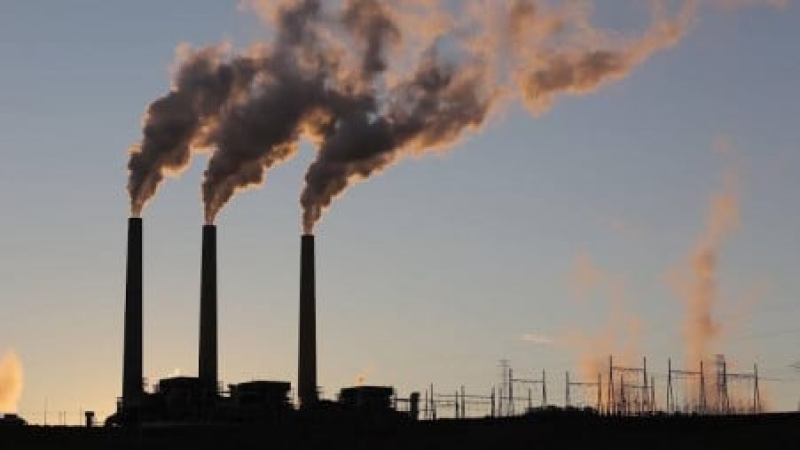
Representational Image of Coal Power.
Bangladesh is moving to increase electricity generation from coal-fired power plants as uncertainty over liquefied natural gas (LNG) imports through the Strait of Hormuz raises fears of gas shortages and a potential 1,800-megawatt power shortfall.
Officials say contingency steps are already under way, but warn that prolonged disruption to LNG shipments could trigger load shedding and push up fuel costs.
Currently, state-run Petrobangla is supplying between 850 and 900 million cubic feet per day (mmcfd) of gas to power plants, far below the sector’s demand of about 2,525 mmcfd. Energy officials estimate that if two LNG cargoes are delayed, supply could fall by 200–250 mmcfd, reducing available gas to around 700 mmcfd.
Such a drop could cut electricity generation by between 1,400MW and 1,800MW, according to internal assessments.
Energy Secretary Mohammad Saiful Islam said most of Bangladesh’s long-term LNG contracts are tied to Middle Eastern suppliers, particularly QatarEnergy, whose shipments transit the Strait of Hormuz. “If supply is disrupted, we will have to reduce gas supply to power plants,” he said.
Petrobangla’s import plan shows seven LNG cargoes are scheduled for April, six of which are routed through the Strait of Hormuz. While some shipments have already passed the waterway, others remain uncertain amid regional tensions and shipping disruptions.
To cushion the impact, authorities have instructed power producers to ramp up coal-based generation. Data from Bangladesh Power Development Board show that coal plants are expected to raise output to around 5,000MW, supported by reserves sufficient for about one month at full capacity.
The government is also considering increased use of furnace oil-fired plants and higher LNG purchases from the spot market, where prices are 35–40 percent higher than long-term contract rates. Officials acknowledge that additional spot purchases would put pressure on public finances but may become necessary if contract supplies are interrupted.
Bangladesh had planned to import 115 LNG cargoes this year, with 18 of 22 scheduled between March and May expected to pass through the Strait of Hormuz — underscoring the country’s vulnerability to disruptions in the region.
Meanwhile, electricity imports from India have been stepped up to stabilise supply, including power purchased from Adani’s plant and through cross-border transmission links.
Energy analysts warn that if Middle East tensions persist, Bangladesh may face mounting pressure on both its power system and foreign exchange reserves, highlighting the need for diversified energy sources and long-term security planning.