

- Bangladesh to Introduce New Law to Curb Extortion, IGP Says |
- UN Marks 81 Years of Global Cooperation and Peace |
- Dhaka's air 5th worst in the world this morning |
- Around 7,500 Bangladeshis imprisoned in Saudi Arabia: Shama Obaed |
- Bangladesh Outperforms India in Global Hunger Index 2026 |
Toxic Air Linked to 200,000 Respiratory Cases in Delhi
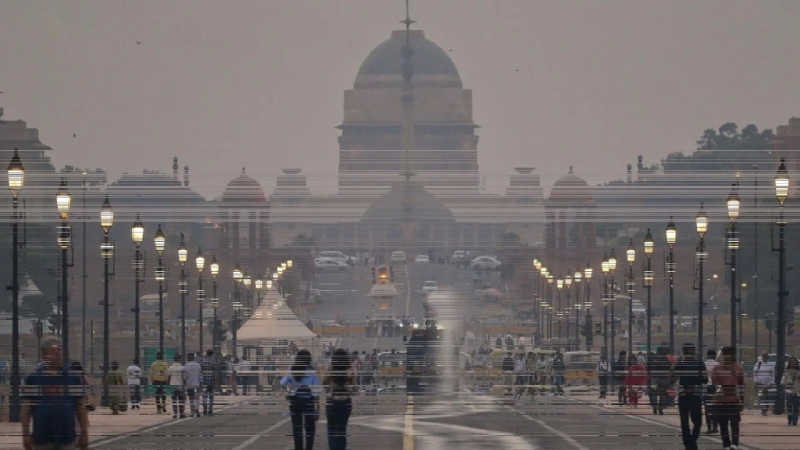
New Delhi recorded more than 200,000 cases of acute respiratory illness at six state-run hospitals between 2022 and 2024, newly released government data shows, underscoring the severe health impact of toxic air in one of the world’s most polluted capitals.
India’s health ministry informed parliament on Tuesday that air pollution remains a major trigger for respiratory ailments.
“Analysis suggests that rising pollution levels were associated with a rise in patients attending emergency rooms,” junior health minister Prataprao Jadhav said in a written reply.
More than 30,000 patients required hospitalisation during the three-year period.
Each winter, Delhi’s skyline is shrouded in thick, acrid smog as cooler air traps pollutants near the ground. Emissions from crop burning, factories and heavy traffic combine to create a hazardous blanket of pollution over the city of 30 million people.
Levels of PM2.5 — microscopic particles capable of entering the bloodstream — frequently soar to as much as 60 times the UN’s recommended daily limit.
A study published in The Lancet Planetary Health last year estimated that 3.8 million deaths in India between 2009 and 2019 were linked to air pollution. The UN children’s agency separately warns that polluted air places children at heightened risk of acute respiratory infections.
However, the health ministry noted that air pollution alone cannot explain the spike in respiratory illnesses.
“Health effects of air pollution are a synergistic manifestation of multiple factors, including food habits, occupational exposure, socio-economic status, medical history, immunity and heredity,” it said.