

- Gaza unsafe for civilians as Israeli attacks hit homes, classrooms |
- El Niño May Push 49 Million More Into Acute Hunger |
- Acting President Urges Unity on National Interest |
- Strong El Nino to dominate global climate in late 2026: WMO |
- July Mass Uprising Day Today |
Credit cards emerge as a financial lifeline for middle-class
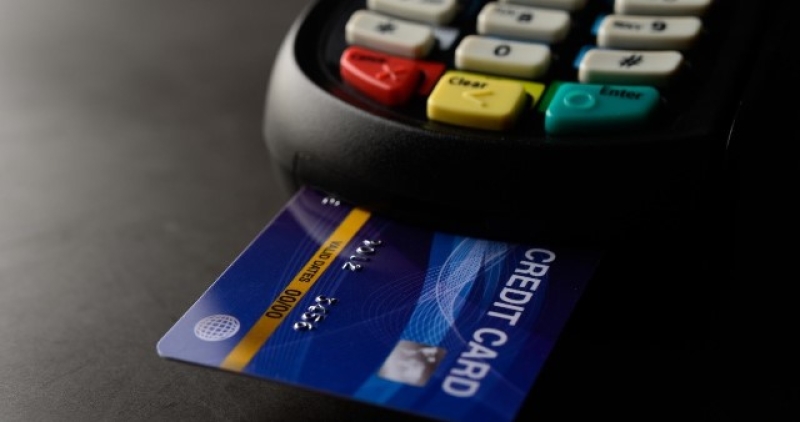
Credit card usage
Dhaka, May 9 - Once regarded as an exclusive financial tool for the elite and high-net-worth travelers, credit cards have rapidly transitioned into an essential daily companion for the middle-class and younger generation in Bangladesh.
From grocery shopping and hospital bills to online purchases and utility payments, the credit card is increasingly being viewed as a "digital alternative to cash" within the country's burgeoning digital economy.
In response to this growing demand, Bangladesh Bank has significantly overhauled credit card regulations. Under the new policy, the borrowing limit for credit cards has been doubled:
Unsecured Loans: The limit for loans without collateral has been increased to Tk 20 lakh from the previous Tk 10 lakh.
Secured Loans: Against collateral, the limit has been raised to Tk 40 lakh from Tk 20 lakh.
Financial analysts suggest this move will provide a crucial cushion for high-cost medical emergencies, foreign education expenses, and business travel while further accelerating the nation’s "cashless" ambitions.
One of the primary drivers of credit card popularity among salaried professionals and young entrepreneurs is the 45-day grace period. If the total bill is settled within this timeframe, the cardholder essentially enjoys a short-term, interest-free loan.
Industry data underscores this shift:
Active Cards: There are currently approximately 54 lakh credit cards in use in Bangladesh.
Transaction Volume: Monthly credit card transactions are averaging over Tk 3,000 crore, with recent figures exceeding Tk 3,500 crore.
Spending Patterns: Domestically, the highest spending occurs at department stores, supershops, and retail outlets, followed by utility bills and healthcare.
The use of dual-currency cards is also surging internationally. Interestingly, Bangladeshi debit cards are seeing the highest transaction volumes in the United Kingdom, largely driven by the high number of Bangladeshi students residing there.
To combat the rising risk of digital fraud, banks are introducing cutting-edge security:
Numberless Cards: Institutions like Prime Bank and Mastercard have launched "numberless" cards where CVV and expiry details are hidden from the physical card and stored only in mobile apps.
Regulatory Safeguards: Bangladesh Bank now mandates 24-hour helplines for reporting lost cards and has strictly prohibited the harassment of customers during loan recovery.
Diversification: Islamic and Student Cards
The market is also diversifying to cater to specific demographics. Shariah-based Islamic credit cards, which utilize a service charge (Ujrah) instead of conventional interest, are gaining traction among the youth. Furthermore, specialized products like Student Credit Cards (often backed by parental guarantees) and Freelancer Cards for international software and subscription payments are becoming widely available.
Despite the benefits, financial experts warn that unplanned usage can lead to a debt trap. Relying on "minimum payments" can cause high interest rates to compound rapidly.
Industry experts advise cardholders to strictly adhere to payment schedules and maintain digital hygiene—such as never sharing OTPs or PINs—to ensure the credit card remains a tool for convenience rather than a financial burden. - UNB