

- Gaza unsafe for civilians as Israeli attacks hit homes, classrooms |
- El Niño May Push 49 Million More Into Acute Hunger |
- Acting President Urges Unity on National Interest |
- Strong El Nino to dominate global climate in late 2026: WMO |
- July Mass Uprising Day Today |
How Collective Action Across Food Systems Is Empowering Women
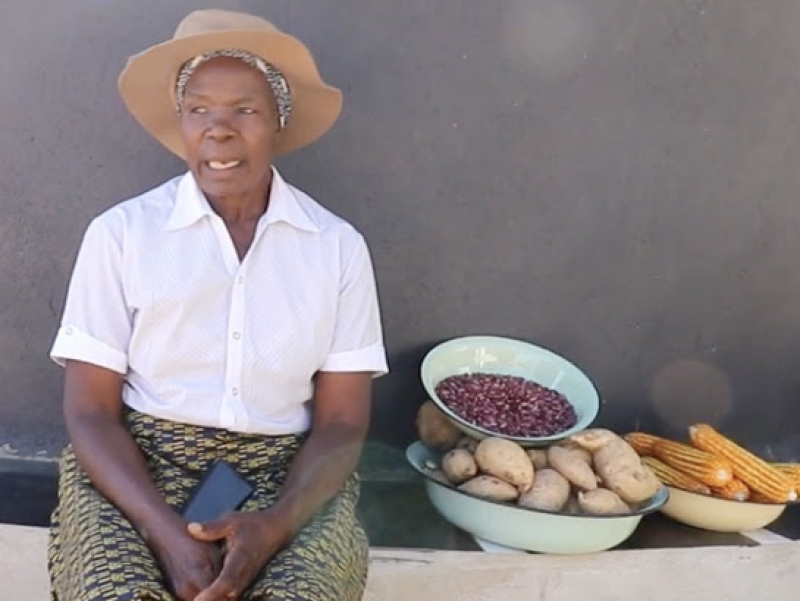
Collective Action Across Food Systems Is Empowering Women.
Across the world, women grow food, nourish families, run enterprises, and strengthen rural economies—yet many still face barriers to resources, training, markets, and decision-making power. On International Women’s Day, HarvestPlus and HarvestPlus Solutions celebrate not only the achievements of women across food systems, but also the partnerships intentionally reshaping those systems to be more equitable.
From crop-breeding labs to village enterprises and smallholder farms, empowering women is not a single intervention. It is the result of coordinated action—researchers designing nutrient-rich crops with women’s needs in mind, governments and private partners expanding access to technologies, and communities building shared support networks that enable women to thrive.
This ecosystem approach reflects a simple truth: when women gain access to nutritious crops, knowledge, energy solutions, and markets, the benefits extend far beyond individuals to families, communities, and national food systems.
Science with Women at the Center
Gender equality in food systems begins long before seeds reach farmers’ fields. It starts with scientists ensuring the crops being developed respond to real nutritional needs.
In Indonesia, plant breeder Dr. Wage Ratna Rohaeni is leading efforts to develop zinc-enriched rice varieties aimed at tackling micronutrient deficiencies that disproportionately affect women and children. Her work in nutrition-sensitive breeding helps ensure staple crops are not only high-yielding but also capable of improving household health outcomes.
Supported by partnerships among research institutions, governments, and development organizations, this work demonstrates how inclusive innovation can address hidden hunger at scale. By improving the nutritional value of a staple consumed daily by millions, such efforts help ensure that women and girls benefit directly from agricultural progress.
Dr. Rohaeni’s leadership highlights a broader lesson: advancing equality in food systems means elevating women not only as farmers and entrepreneurs, but also as scientists and innovators shaping agriculture’s future.
Turning Access into Opportunity
While research builds the foundation, practical support and technologies enable women to translate opportunity into livelihoods.
In Pakistan, rural entrepreneur Jamila faced ongoing challenges accessing nutritious food and stable income. Through a HarvestPlus Solutions initiative, she received training in producing and marketing nutritious foods, along with a small flour mill and a solar energy system installed at her home. With reliable power and new skills, Jamila launched a home-based enterprise processing biofortified grains.
Her business improved her family’s diet, generated income, and strengthened her confidence and standing in the community. Jamila’s experience illustrates how combining nutrition-focused agriculture, clean energy, and enterprise development can remove structural barriers that often limit women’s participation in food value chains.
From Household Resilience to Lasting Legacy
Empowerment is most visible where change transforms not only income, but long-term security and opportunity.
In Zimbabwe, Joice Jacob’s journey shows this transformation clearly. By adopting biofortified crops and participating in HarvestPlus-supported value chains, she improved yields, increased household income, and gradually invested in her future, building a home, expanding her farming activities, and creating a legacy for her children.
Her experience demonstrates how access to improved seed, agronomic training, and reliable markets can move families beyond subsistence toward stability and growth. It also shows how women farmers, once equipped with resources and confidence, often reinvest earnings into education, nutrition, and community wellbeing—multiplying the impact of empowerment.
Designing the Future Together
This International Women’s Day, the message is clear: gender equality in food systems does not happen by chance—it happens by design.
It is visible in scientists like Dr. Rohaeni shaping healthier staples, entrepreneurs like Jamila building dignified livelihoods, and farmers like Joice Jacobs in Zimbabwe transforming improved harvests into lasting prosperity.
Their stories remind us that progress is not only about empowering individual women, but about building systems that support them—through research, partnerships, policies, and community networks.
When food systems are designed with women at the center, they become more resilient, more nutritious, and more equitable for everyone.