

- WHO Warns Global Blood Shortages Put Lives at Risk Report |
- US Thrash Paraguay 4-1 in Dream World Cup Start |
- FY27 Budget Reflects Public Aspirations: Khosru |
- 3 Red Cards Mar Mexico vs South Africa World Cup Opener |
- Hwang In-beom inspires South Korea's 2-1 victory over Czech Republic |
WHO Warns Global Blood Shortages Put Lives at Risk Report
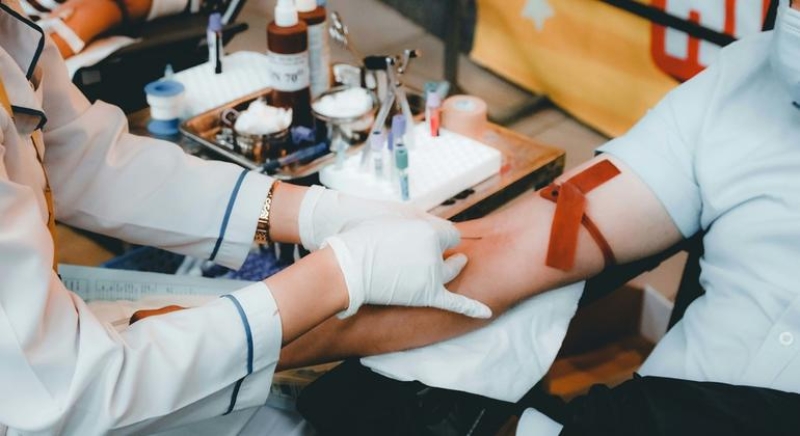
A donor donates blood.
Safe blood plays a vital role in saving the lives of women with childbirth complications, accident victims, cancer patients, and people living with chronic illnesses. However, despite decades of progress, access to lifesaving blood remains deeply unequal, with shortages continuing to endanger lives in many low-income countries, according to a new report from the World Health Organization (WHO).
Released on Friday ahead of World Blood Donor Day on 14 June, the report provides one of the most comprehensive global assessments of blood systems to date. It draws on data from 168 countries, covering 97 per cent of the world’s population.
The report highlights significant improvements in blood donation and safety. More than 85 per cent of global blood donations now come from voluntary unpaid donors, which are considered the safest and most reliable source of blood.
Progress remains uneven
While many countries have strengthened national blood systems and expanded access to safe transfusions, shortages, weak governance, and inadequate financing continue to restrict access in many low- and middle-income countries.
“Access to sufficient, secure supplies of blood and blood products, coupled with safe transfusion practices, is a fundamental component of resilient health systems and a critical enabler of universal health coverage,” wrote Deusdedit Mubangizi, Director for Medicines and Health Products Policies and Standards at WHO, in the report’s preface.
“Despite notable progress over the past decade, universal access to safe blood and blood products remains elusive for many countries.”
More than transfusions
A reliable blood supply is essential for treating a wide range of medical conditions, including severe bleeding during childbirth, emergency surgery, cancer treatment, chronic blood disorders, and severe anaemia.
Donated plasma—the liquid portion of blood—is also used to produce medicines for people living with bleeding disorders, immune deficiencies, and other serious conditions.
When safe blood is unavailable, patients may die from otherwise treatable diseases and injuries.
The report examines every stage of the transfusion chain, from donor recruitment and blood collection to laboratory testing, clinical use, and access to plasma-derived medicines.
Ongoing challenges
It identifies weak governance and unsustainable financing as major obstacles facing national blood services in many countries.
The report also highlights ongoing efforts to diversify plasma collection and strengthen global supply chains for plasma-derived medicinal products, which remain inaccessible or unaffordable in many settings.
WHO stressed that achieving equitable access will require sustained political commitment, stronger national systems, and continued international cooperation.
World Blood Donor Day
This year’s World Blood Donor Day campaign carries the theme: “One Drop of Humanity. Give Blood. Save Lives.”
The campaign aims to encourage regular voluntary blood donation while highlighting the values of solidarity, compassion, and shared responsibility that underpin safe blood systems worldwide.