

- Deadly floods cause widespread destruction in China, Nepal |
- 80 maunds (3 tons) of hilsa caught in one net in the Bay |
- Glacier collapse likely caused Nepal-Tibet flood, scientists say |
- UN Secy Gen Saddened Over Lives Lost in Nepal-Tibet Flash Floods |
- UGC, UN Women partner to combat sexual violence at universities |
IEDCR Warns Nipah Spreads Year-Round via New Routes
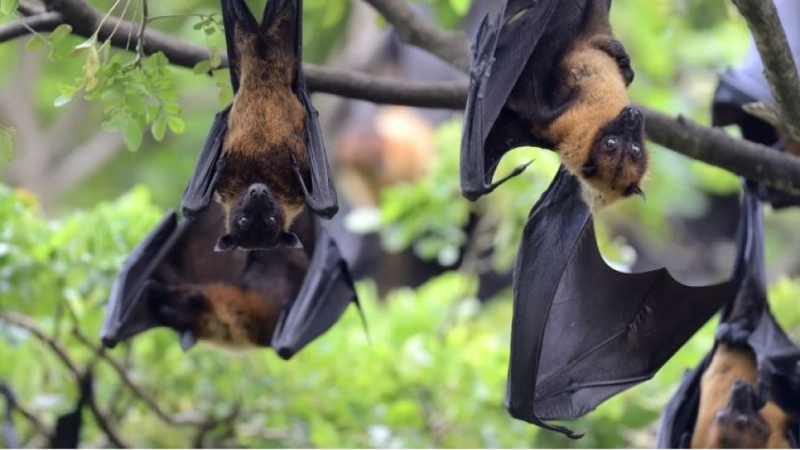
Photo: Collected
The Institute of Epidemiology, Disease Control and Research (IEDCR) has warned that the transmission pattern of the Nipah virus in Bangladesh is changing, with evidence showing the infection is no longer confined to winter or traditional routes.
Health officials said the country’s first off-season Nipah case was linked to the consumption of fruits partially eaten by bats, including black plum, date and mango—signaling a new and concerning pathway of infection beyond raw date palm sap.
Since Nipah was first detected in Bangladesh in 2001, cases have been identified in 35 of the country’s 64 districts, according to IEDCR data. Faridpur, Rajbari, Naogaon and Lalmonirhat have recorded comparatively higher infection and death rates.
Globally, the average fatality rate of Nipah virus infection is about 72%, but Bangladesh has often recorded higher rates, officials said. Data presented at the meeting showed that all four Nipah cases detected in 2025 resulted in death, marking a 100% fatality rate for the year. The cases were reported in Naogaon, Bhola, Rajbari and Nilphamari districts.
One case involved an eight-year-old child from Naogaon who was infected in August, outside the usual winter season when Nipah outbreaks are typically reported.
Health experts also warned about human-to-human transmission, noting that around 28% of global Nipah infections occur through direct contact, posing serious risks to family members and healthcare workers.
Chairing the meeting, IEDCR Director Prof Dr Tahmina Shirin described the off-season case and emerging transmission routes as a major warning for the country. She said Nipah is evolving into a year-round public health threat with multiple sources of infection.
Nipah virus surveillance coordinator Dr Syed Moinuddin Sattar said monitoring has been intensified in high-risk districts, and hospitals have been instructed to remain prepared.
Experts stressed that the emergence of new transmission routes and off-season cases highlights the need for increased vigilance and stronger public awareness to prevent future outbreaks.