

- Gaza Ceasefire Not Enough as Children Continue to Die |
- Bangladesh Sets Guinness Record With 54 Flags Aloft |
- Gambia Tells UN Court Myanmar Turned Rohingya Lives Hell |
- U.S. Embassy Dhaka Welcomes Ambassador-Designate Brent T. Christensen |
- Survey Shows Tight Race Between BNP and Jamaat-e-Islami |
WHO Urges Higher Taxes on Sugary Drinks and Alcohol
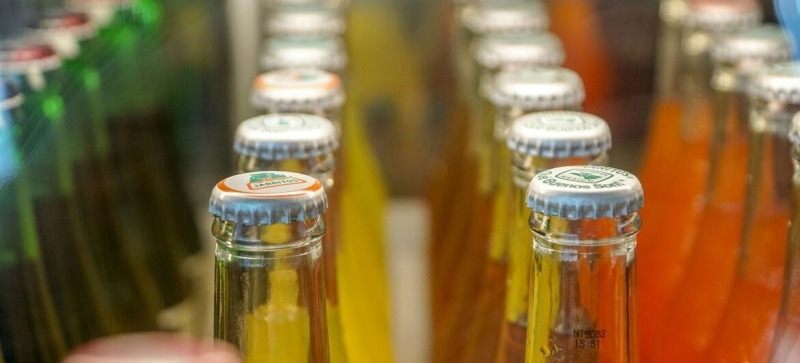
Rows of sugar-laden drinks are displayed in a supermarket.
Beverages like sugary drinks and alcohol are widely accessible and often inexpensive in most parts of the world, contributing to obesity, diabetes, cancer, and injuries, the World Health Organization (WHO) warned on Tuesday.
WHO is urging governments to significantly increase taxes on sugary drinks and alcohol, as two new reports reveal that levies remain low across many regions.
“Health taxes have been shown to reduce consumption of these harmful products, helping to prevent disease and lessen the burden on health systems,” WHO Director-General Dr Tedros Adhanom Ghebreyesus told journalists in a virtual briefing on Tuesday.
“At the same time, they generate revenue that governments can invest in health, education, and social protection.”
Report Findings
The report on sugar-sweetened beverage taxes shows that while at least 116 countries tax sugary drinks, including sodas and carbonated beverages, other high-sugar products—such as 100% fruit juices, sweetened milk drinks, and ready-to-drink coffees and teas—escape taxation.
The report on alcohol taxes indicates that although 167 countries levy taxes on liquor, wine, and beer, alcohol has become more affordable or maintained its price in most countries since 2022, as taxes are not adjusted for inflation or income growth.
Why It Matters
A cold, sweet drink from your local café may seem harmless, but regular consumption can have serious health consequences.
Sugary drinks are linked to:
Increased risk of overweight and obesity
Type 2 diabetes
Cardiovascular disease
Other effects, including dental caries and osteoporosis
Alcohol consumption contributes to:
Higher risks for maternal and child health
Exposure to communicable and noncommunicable diseases
Mental health issues
Greater likelihood of injury to oneself and others
Evidence shows that increasing taxes on harmful beverages reduces consumption.
WHO chief Tedros highlighted successful examples, including the United Kingdom, which introduced a sugar tax in 2018. This led to:
Reduced sugar consumption
£338 million revenue in 2024 alone
Lower obesity rates in girls aged 10–11, especially in deprived communities
WHO is urging governments to raise and redesign taxes as part of a broader health initiative addressing tobacco use and the excessive consumption of alcohol and sugary drinks.