

- Bangladesh GDP to Grow 5% in 2026 Amid Rising Price Pressures |
- Thousands Rally at Chattogram Polo Ground Ahead of Polls |
- Gas Shortages Hit Households as Prices Soar in Dhaka |
- Tarique in Chattogram for second phase of election campaign |
- US seeks to befriend Jamaat-e-Islami, reports Washington Post |
Challenging Ageism Can Boost Health and Extend Lifespan
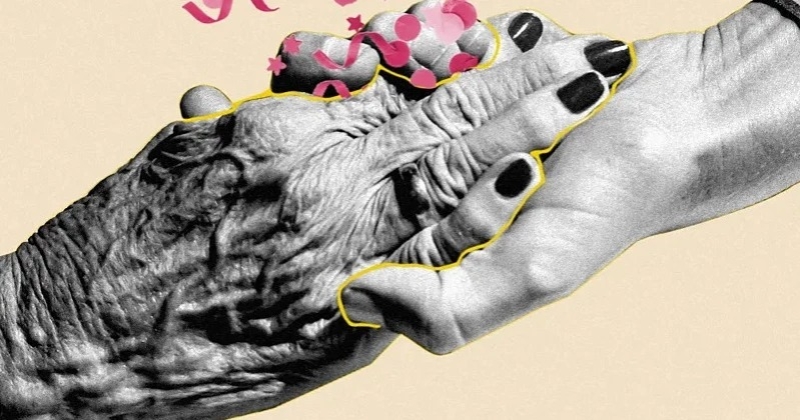
Defying negative stereotypes about ageing is not just a matter of fairness—it can also improve health and longevity, experts say. Studies show that a positive attitude towards ageing can help people feel younger and even live longer.
According to the World Health Organization, ageism—the harmful treatment of people based on age—affects all age groups, with older adults most impacted. In the UK, one in three people experience age-based discrimination, while a US study found that 93% of adults aged 50 to 80 reported some form of everyday ageism.
“Ageism is personal, yet many fail to recognise it,” said Parminder Raina, scientific director at Canada’s McMaster Institute for Research on Aging. He highlighted that phrases like “grey tsunami” wrongly portray ageing as a societal burden, when living longer is actually a public health success.
Internalised ageism—when people adopt negative stereotypes about their own age—can reduce self-confidence, discourage learning, and harm both physical and mental health. “Older people are capable, active, and contribute meaningfully to society. There’s no limit to what humans can do,” Raina added.
Positive perceptions of ageing have tangible benefits. Becca Levy, professor at Yale School of Public Health, found that people with optimistic views on ageing lived an average of seven and a half years longer than those with negative perceptions. They also demonstrated better memory and lower risk of Alzheimer’s-related brain changes.
Experts stress that addressing ageism requires both cultural and individual efforts. Intergenerational contact, role models of healthy ageing, and community support are essential. Hannah Swift, social psychologist at the University of Kent, said, “We need to change societal norms about what people of different ages should do, wear, or achieve.”
Some cultures continue to show strong respect for older adults. In Japan, Keirō no Hi, or Respect for the Aged Day, honours elders, while Native American communities regard older adults as “living libraries,” preserving wisdom and traditions.
Levy’s “ABC Method” encourages individuals to recognise ageist beliefs, identify where ageism causes harm, and actively challenge stereotypes. Research shows that fostering positive views of ageing and creating inclusive, multigenerational communities can help everyone live healthier, more fulfilling lives.
“Ageing is a privilege,” Raina said. “Embracing it, rather than fearing it, benefits us all.”