

- Govt pursuing zero tolerance against human trafficking, organised crime: Salahuddin |
- PM Seeks Japan’s Help to Build Technology, Innovation Hubs |
- Bangladesh Plans Bonded Warehouse Reforms to Diversify Exports |
- Dhaka ranks 4th among world's most polluted cities this morning |
- Lula re-elected Brazilian president in runoff |
UN Backs Afghan Schools, Seaweed Farms, Somalia Drought
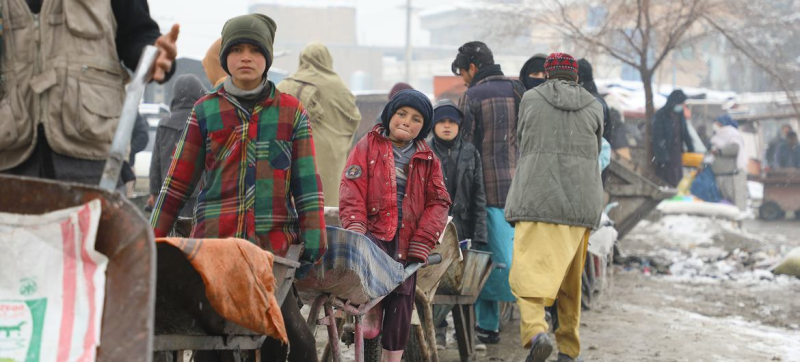
The World Food Programme is distributing food to vulnerable familes in Kabul, Afghanistan.
The UN World Food Programme (WFP) on Wednesday welcomed a contribution of $3.5 million from the Government of Indonesia to support the agency’s school meal programme in Afghanistan.
The agency plans to procure over 1,200 metric tons of fortified biscuits, which will provide 200,000 primary school-aged girls and boys with sustenance for around three months.
“For many children, the daily snack they receive during the first break is often their only nutritious meal, giving them the energy to stay healthy, focused, and ready to learn,” said Mutinta Chimuka, Deputy Country Director for WFP in Afghanistan.
“WFP in Afghanistan launched its school feeding programme more than two decades ago to link food security and better nutrition with education,” said Ms. Chimuka.
School feeding activities have played a crucial role in improving attendance, retention, and learning outcomes.
Primary schools participating in the programme saw enrolment increase by nearly 11 per cent in 2024 compared to 2023, while attendance also improved, reaching an average of 87 per cent in classrooms—two percentage points above WFP’s target.
Over the last decade, seaweed farming has grown by 66 per cent in Latin America and the Caribbean, according to a new report from the Food and Agriculture Organization (FAO).
The practice of cultivating and harvesting seaweed or algae in marine environments offers a relatively low-carbon method of producing highly nutritious food while supporting rural livelihoods, according to international experts gathered at a regional workshop in Chile.
Experts highlight seaweed farming as vital to sustainable coastal development in Latin America, stressing its nutritional value and the need for clearer, more coordinated regulation.
Expanding seaweed cultivation holds significant untapped potential for sustainable development in Latin America and the Caribbean.
While countries like Brazil, Chile, and Venezuela lead production, most initiatives across the region remain small-scale.
Yet, with a 66 per cent increase over the past decade, experts see major opportunities for growth. Supporting emerging producers, diversifying species, and investing in research and technology – including AI and biotechnology – could deliver both economic and environmental benefits.
Strengthening community participation, particularly among women and youth, will also be essential. With coordinated action and inclusive policies, seaweed farming could become a key driver of resilient coastal development.
Hundreds of thousands of people have been affected by severe drought in Somalia’s central and northern regions, according to the UN’s humanitarian coordination office (OCHA).
With food insecurity escalating, access to water and pasture dwindling, and livelihoods significantly disrupted, a joint assessment by UN agencies and partners is currently underway in Puntland and Somaliland to determine key needs.
An analysis from the Food and Agriculture Organization (FAO) noted that more than 880,000 Somalis are currently living in severely drought-affected areas across 16 districts. Humanitarians on the ground reported that water wells have dried up and more than 160 boreholes are no longer functioning.
Although the UN-managed Somalia Humanitarian Fund is preparing to allocate resources for urgent life-saving assistance, only 17 per cent of the response plan has been funded to date.