

- Spain Beat France to Reach World Cup Final |
- Ismail Elfath, referee for England-Argentina semifinal |
- BSEC approves liquidation of Vanguard AML BD Finance Mutual Fund One |
- 200 economists for urgent action to tackle AI's impact on jobs, economy |
- PM Launches National Startup Platform for Entrepreneurs |
US Reimposes Iran Blockade as Gulf Tensions Rise
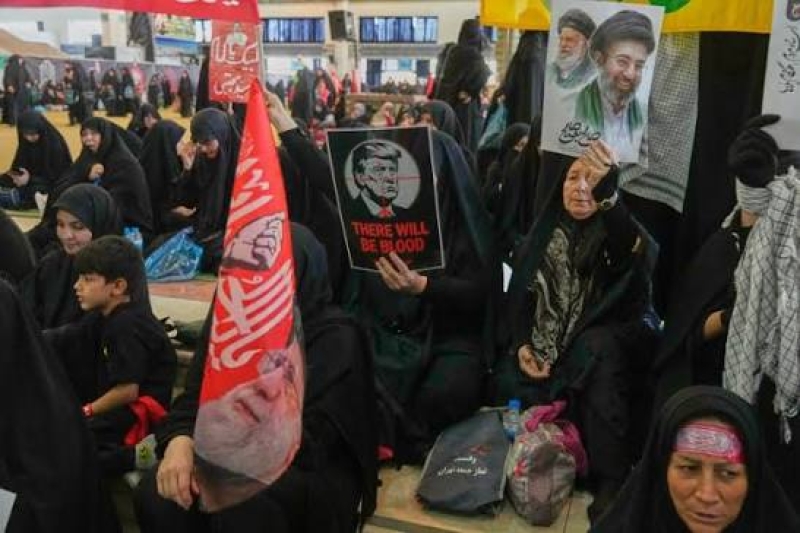
The United States early Wednesday reimposed a blockade on Iranian ports after Tehran launched fresh attacks on ships transiting the Strait of Hormuz, intensifying regional tensions and placing a fragile interim peace agreement under severe strain.
Days of retaliatory military actions between the United States and Iran, coupled with competing efforts to control the strategic Strait of Hormuz—through which roughly one-fifth of the world's oil and natural gas passes during peacetime—have heightened fears of a broader conflict across the Middle East.
Washington first imposed the blockade in mid-April before lifting it in mid-June following an interim agreement that established a 60-day negotiation period covering issues including Iran's nuclear programme. However, the talks have stalled as hostilities around the vital waterway have escalated.
When US President Donald Trump announced the renewed blockade on Monday, he also proposed a 20 percent transit fee on vessels using the Strait of Hormuz. He later withdrew the proposal, saying Gulf allies had requested an alternative approach.
Fresh attacks after blockade resumes
Before reinstating the blockade, US Central Command (CENTCOM) launched a fresh wave of strikes on Iranian military targets.
Missile alerts were issued in Bahrain and Kuwait early Wednesday after Iranian missiles targeted the two countries, extending a series of daily attacks that have further undermined ceasefire efforts.
Hours after the blockade took effect, Iranian state media reported an exchange of fire in the Strait of Hormuz but provided no further details.
CENTCOM Commander Adm. Brad Cooper said Iran had launched dozens of missiles and drones at neighbouring Gulf states.
"US forces are holding Iran accountable for unwarranted aggression that continues to endanger innocent lives," he said.
The United States currently has at least 19 warships deployed in the Arabian Sea, including two aircraft carriers and an amphibious assault ship carrying more than 1,000 Marines. CENTCOM also said hundreds of military aircraft remain deployed across the region.
Since fighting involving the United States, Israel and Iran began on February 28, Tehran has repeatedly threatened and attacked commercial shipping, disrupting maritime traffic through the Strait of Hormuz and pushing up global prices for oil, fertiliser and other commodities.
More recently, Iran has targeted vessels operating along a US-monitored shipping route near Oman, further escalating the crisis. Washington has warned it could reopen the waterway by force if necessary, although military analysts say such an operation would require a significantly larger deployment.
Iran's Ambassador to the United Nations, Amir Saeid Iravani, rejected US accusations, saying Washington was responsible for the escalation.
"The US is the aggressor, not the victim," he said in a letter to the UN Secretary-General, according to Iranian state media.
Trump withdraws shipping fee proposal
Trump said Gulf leaders had urged him to replace the proposed transit fee with increased investment commitments to the United States.
"They said we'd love to do it a different way. We'd love to invest in the United States with billions and billions of dollars," Trump told reporters at the White House.
He added that he preferred the alternative because "nobody should be able to charge a fee for the strait."
It remains unclear whether those proposed investments would be in addition to commitments announced during Trump's previous visit to the Gulf.
The proposed shipping fee would have represented a significant departure from long-standing US policy supporting freedom of navigation through international waterways.
In an interview with Fox News on Tuesday, Trump warned that further US strikes on Iran could continue over the next two days unless negotiations resumed, saying bridges and power facilities remained potential targets.
Fighting continues
CENTCOM said it conducted additional strikes on multiple locations in Iran on Tuesday. Iranian authorities confirmed the attacks but did not provide an overall assessment of casualties or damage.
Iranian state media reported explosions in Bushehr, Ahvaz and the southern port city of Bandar Abbas following the strikes.
Kuwait also reported that an Iranian attack wounded four naval personnel and set a building on fire.
Peace efforts continue
Under the interim agreement, Iran had pledged to allow free passage through the Strait of Hormuz for 60 days. However, the deal did not specify arrangements beyond that period. Tehran maintains it has the right to regulate shipping through the strait, a position rejected by Washington.
Brent crude briefly climbed above $87 per barrel before retreating to around $78 after Trump abandoned the proposed transit fee.
Meanwhile, regional mediators continue efforts to bring Washington and Tehran back to the negotiating table. Officials familiar with the diplomatic initiative said Pakistan-led mediation remains active in an effort to restore the ceasefire.