

- Solar irrigation brings savings, extra income to Jhenaidah farmers |
- ADB Approves $100m Loan for Affordable Housing in Bangladesh |
- No Respite From Poisonous Air: Radical Cure Urgent |
- Minimising The Energy Shocks In Bangladesh |
US, Canada Sink Deeper Into Trade War as Talks Collapse
The United States and Canada have fallen deeper into a trade dispute after negotiations broke down, with both sides preparing new tariffs that could raise costs for consumers and businesses.
The two countries blamed each other for the collapse of talks in Washington on Friday. The United States has imposed 50% tariffs on about $20 billion worth of Canadian goods, while Canada said retaliatory tariffs will take effect on September 8.
The new US tariffs will affect around 5% of Canada’s annual exports to the United States, covering products ranging from hockey sticks to medical supplies.
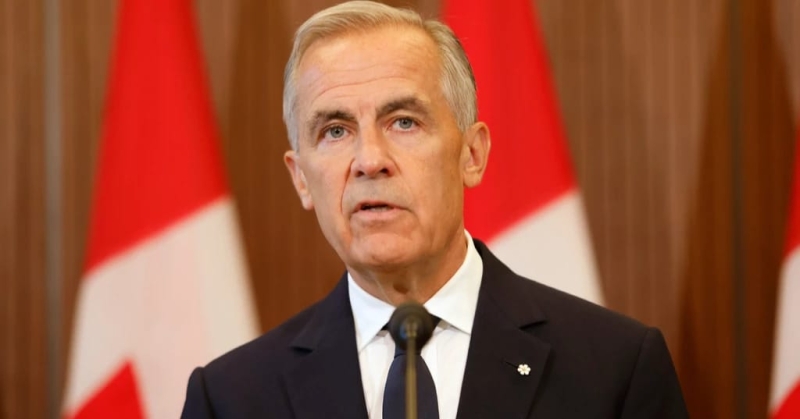
Canadian Prime Minister Mark Carney said Ottawa would introduce targeted measures to protect industries affected by the US tariffs, including steel, dairy, appliances, agricultural equipment, pulp and paper and electronics.
No further negotiations have been scheduled, raising concerns that the dispute could cause lasting damage to relations between the longtime allies.
Carney accused Washington of using economic integration as a weapon and said the relationship between Canada and the United States would not return to its previous form. He described the tariffs as an attack and said Canada had the resources and resilience to respond.
US Trade Representative Jamieson Greer, however, said Washington had been forced to act after a year of Canadian retaliation.
“We’ve said enough, and so we’ve taken countermeasures,” Greer said, arguing that the measures were intended to protect American workers and supply chains.
Canada rejects US demands
Carney said Canada had offered to remove its remaining retaliatory tariffs on steel, aluminum and automobiles if the United States significantly reduced its own duties. Ottawa was also prepared to encourage provinces to restore access for US alcohol products.
However, he said Washington introduced additional conditions at the last minute that Canada considered unacceptable.
According to Carney, the proposed conditions could have limited tariff relief for Canadian-made vehicles, restricted Canada’s ability to negotiate trade agreements with other countries and weakened protections for language, culture and sovereignty.
Greer said the Trump administration had offered to reduce tariffs on Canadian steel, automobiles and lumber.
The breakdown came just two days after officials from both countries suggested that a compromise was close.
Ontario Premier Doug Ford backed Carney’s decision to reject the proposed deal, warning that it could harm the province’s automobile, steel and manufacturing sectors.
Longstanding ties under strain
The dispute has raised fresh concerns about the future of the North American trade agreement involving the United States, Canada and Mexico. Carney said the breakdown was not good news for the agreement’s upcoming review.
The United States and Canada exchanged about $880 billion in goods and services last year, highlighting the economic importance of their relationship.
Despite longstanding trade disputes, the two countries have remained close allies and major trading partners. Their 5,525-mile border is largely undefended, with hundreds of thousands of people and billions of dollars in goods crossing it every day.
President Donald Trump’s trade policy toward Canada represents a significant departure from the traditionally cooperative relationship. He has used tariffs to encourage manufacturing in the United States and has repeatedly suggested that Canada could become the 51st US state.
Carney said Canada had accepted that “America has changed” and that bilateral relations would not return to their previous form.
Pressure builds for a compromise
Both countries face strong economic incentives to resolve the dispute.
Nearly 72% of Canada’s goods exports went to the United States last year, while US businesses rely heavily on Canadian supplies and cross-border supply chains.
Business groups have warned that the tariffs and Canadian retaliation could increase costs for companies and households and disrupt major supply chains.
The latest dispute also comes as Washington, Ottawa and Mexico prepare to review their North American trade framework. The United States has already begun discussions with Mexico on changes to the United States-Mexico-Canada Agreement, while formal talks with Canada have yet to begin.
The escalating trade conflict has added further uncertainty over the future of the agreement.