

- Speaker sees no possibility of Hasina's return even in 10-yrs |
- Bangladesh Ambassador to Japan returns home ahead of PM’s visit |
- Sajek Road Blockade: 2,933 Tourists Evacuated Amid Gunfire |
- Climate Crisis May Displace 7.5% of Bangladeshis by 2050 |
- NEIR Rollout Targets Tk 2,000cr Revenue Loss From Illegal Phones |
UK Universities Tighten Admissions for South Asian Students
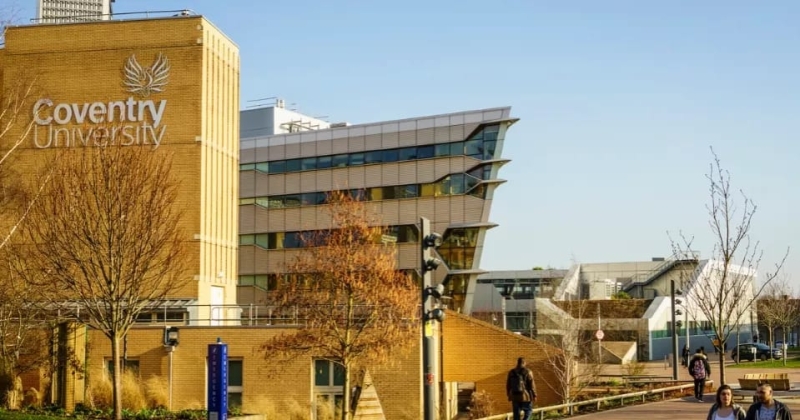
Several UK universities have quietly tightened or suspended admissions for students from Bangladesh and Pakistan, citing stricter Home Office rules and rising visa refusal rates. The move is significantly narrowing access for applicants from two of the UK’s largest sources of international students.
British universities have long relied on overseas students to bolster finances and maintain globally diverse campuses. However, intensified scrutiny by immigration authorities has prompted many institutions to limit recruitment from countries they classify as “high risk” in order to remain within visa compliance thresholds.
At least nine universities have imposed such restrictions following closer Home Office monitoring over alleged misuse of student visas. The shift comes amid a rise in asylum claims by international students, leading government officials to warn that student visas should not be used as a pathway to permanent settlement in the UK.
Several institutions have already taken concrete steps. The University of Wolverhampton has stopped accepting undergraduate applicants from both Bangladesh and Pakistan, while the University of East London has paused recruitment from Pakistan. The Universities of Sunderland and Coventry have suspended admissions from both countries. London Metropolitan University said it halted recruitment from Bangladesh after applicants from the country accounted for 60 percent of its visa refusals.
Universities insist the decisions are based on compliance requirements rather than discrimination. One institution said it had adopted a firm approach to protect the integrity of the UK’s student visa system.
Official figures highlight the growing pressure. In the year ending September 2025, visa refusal rates reached 18 percent for Pakistani applicants and 22 percent for Bangladeshi applicants—well above the newly enforced 5 percent threshold. Applicants from the two countries together accounted for nearly half of the 23,036 student visa applications rejected during that period.
Asylum claims by Bangladeshi and Pakistani nationals have also increased in recent years, often involving individuals who entered the UK on study or work visas, further intensifying government oversight.
Critics warn that the restrictions could damage the UK’s reputation as an open destination for international education and disproportionately affect South Asian students seeking higher education opportunities in Britain.