

- Global trade reaches record $35 trillion despite conflicts |
- Attack on Riyadh airport kills 12, injures over 300: Saudi |
- Dhaka ranks 6th most polluted city |
- El Niño Could Threaten 347 Million Children Worldwide |
- PM Assures Support for Waste-to-Fuel Technology |
Bangladesh, EIB to invest €250m in women's health, resilient healthcare
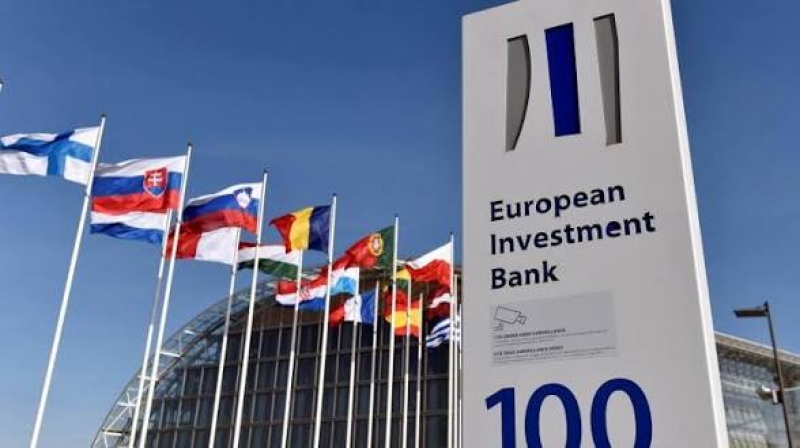
The government of Bangladesh and the European Investment Bank (EIB) have taken an initiative to invest €250 million to improve women's health and strengthen the country's healthcare system.
Under the programme named 'Women's Health Initiative', a plan has been taken to expand healthcare services to around 47 million women and adolescent girls from 2027 to 2031, said a press release issued here late Saturday.
The initiative was unveiled at a meeting titled 'Women's Health and Enhancing Healthcare Resilience' held at the Bangladesh Embassy in Berlin, Germany, on Saturday on the occasion of the World Health Summit (WHS) 2026.
Health and Family Welfare Minister Sardar Md Sakhawat Husain and Prime Minister's Special Adviser on Health Dr Ziauddin Hyder led the Bangladesh delegation at the meeting.
The programme will improve maternal and newborn healthcare, treatment for cervical and breast cancer, and emergency obstetric services. It will also strengthen primary healthcare, district hospitals, patient transfer and referral systems, and critical care services.
The initiative will also support future preparedness to respond to pandemics and other health emergencies.
During the meeting, Sardar Md Sakhawat Husain said that protecting the health of women and adolescent girls is extremely important for Bangladesh's future.
"The government is working to ensure quality healthcare for all by prioritising disease prevention. Partnership with the European Investment Bank and the United Nations Population Fund (UNFPA) will play an important role in achieving this goal," the health minister added.
Prime Minister's Special Adviser on Health Dr Ziauddin Hyder said the investment would play an important role in transforming the healthcare system from a treatment-oriented model to one focused on disease prevention and health promotion.
EIB Vice-President Marek Mora said investing in women's health means investing in stronger families, more resilient communities and sustainable economic development.
UNFPA and its innovative programme, 'WomenX Collective', supported the development of the programme and will also provide technical assistance during the implementation phase.
UNFPA Executive Director Diene Keita said the initiative is important in addressing the long-standing funding gap in women's health.
"It will make it possible to bring lasting improvements in healthcare for millions of women and adolescent girls," Keita said.
According to the release, as part of health-sector reforms, the government of Bangladesh has pledged to gradually increase public expenditure on health from 1 percent to 5 percent of GDP.
It also plans to recruit 100,000 community health workers, 80 percent of whom will be women. In addition, a plan has been taken to recruit 25,000 professional midwives in government healthcare facilities.
UNFPA is mobilising at least €25 million in grant funding to provide technical assistance for the programme. Germany's Federal Ministry for Economic Cooperation and Development (BMZ) and private sector partners are also supporting the initiative.
The government of Bangladesh will present the initiative at a panel discussion at the World Health Summit 2026 in Berlin today.
The European Investment Bank (EIB) is the financing arm of the European Union, owned by the 27 Member States, and one of the largest multilateral development banks in the world.
UNFPA, on the other hand, is the United Nations sexual and reproductive health agency, working to uphold the rights and choices of women, girls and young people across more than 150 countries and territories. Its partnership with the government of Bangladesh dates back to 1974, reports BSS.