

- Another July warrier shot in head, critical in Khulna hospital |
- NCP Khulna Chief Critically Shot Amid Rising Political Violence |
- Indian MP Warns Bangladesh Faces Rising Lawlessness |
- Law and Order Must Be Ensured Ahead of Polls: Prof Yunus |
- Tough times ahead, everyone must remain united: Tarique Rahman |
Japan Moves World's Largest Nuclear Plant Closer to Restart
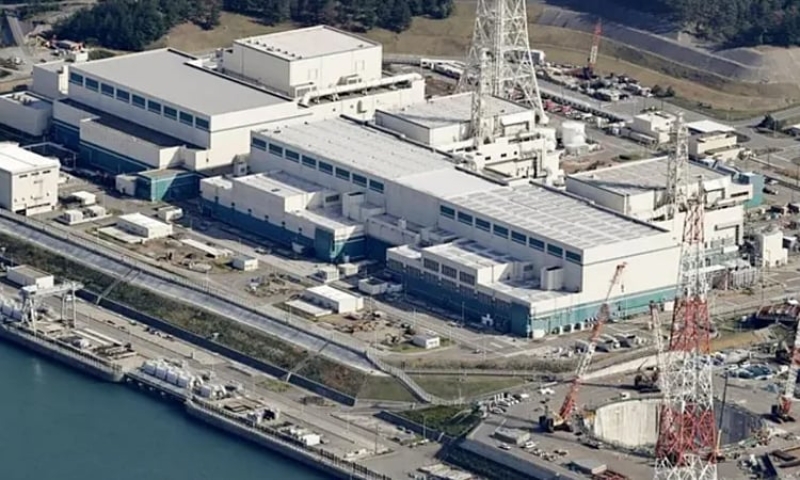
A Japanese regional assembly on Monday approved a plan to restart the world’s largest nuclear plant, bringing it a step closer to operation for the first time since the 2011 Fukushima disaster.
The decision follows last month’s approval from Niigata prefecture governor Hideyo Hanazumi to restart the Kashiwazaki-Kariwa plant. The facility was taken offline after a massive earthquake and tsunami caused meltdowns at the Fukushima reactors, prompting Japan to temporarily halt nuclear power.
Japan now seeks to revive atomic energy to reduce reliance on fossil fuels, meet growing energy demand—including from artificial intelligence—and achieve carbon neutrality by 2050.
The Niigata assembly voted on a regional extra budget bill that included a resolution endorsing the governor’s decision. “The measure is approved by a majority vote,” said the assembly speaker, noting that most of the 53-seat body stood in support.
With local backing secured, Tokyo Electric Power (TEPCO) is expected to submit a restart request to Japan’s Nuclear Regulation Authority before year-end. The company plans to bring one of the seven reactors at Kashiwazaki-Kariwa back online around January 20.
Governor Hanazumi is scheduled to meet Industry Minister Ryosei Akazawa to convey his support for the restart. The reactor has already passed national safety standards, with TEPCO awaiting local consent to resume operations.
Prime Minister Sanae Takaichi has expressed support for nuclear energy as part of Japan’s strategy to reduce carbon emissions. Nearly 70 percent of Japan’s electricity in 2023 came from coal, gas, and oil, a figure Tokyo hopes to cut to 30–40 percent over the next 15 years.
Before the 2011 disaster, nuclear power generated about a third of the country’s electricity. TEPCO gradually resumed operations at 14 reactors across western and southern Japan under strict safety measures, signaling a cautious return to atomic energy.