

- Dhaka's air 5th worst in the world this morning |
- Around 7,500 Bangladeshis imprisoned in Saudi Arabia: Shama Obaed |
- Bangladesh Outperforms India in Global Hunger Index 2026 |
- Covered van hits Gazipur police patrol team, killing SI, BNP leader |
- Korean City scrambles to rescue dusky shark after it returns to canal |
Preserving Crop Diversity Is Vital for Food’s Future
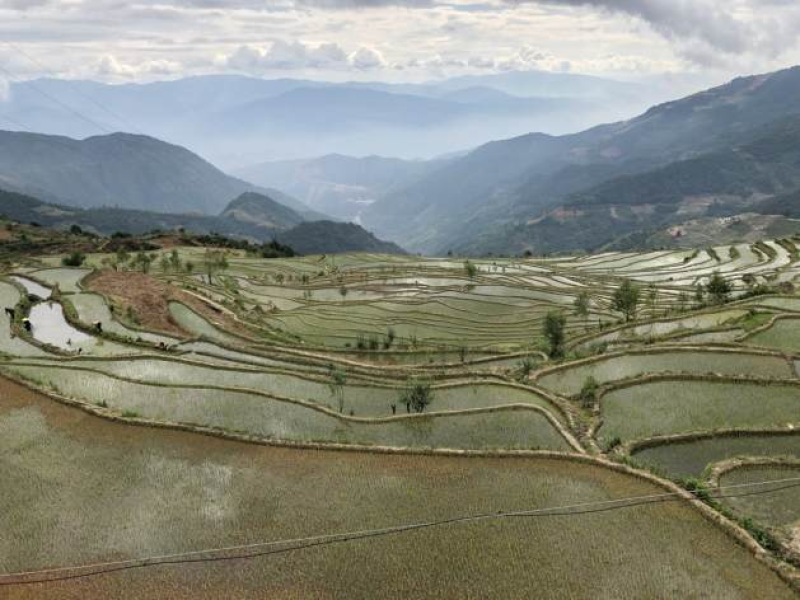
Traditional crop varieties, or landraces, help develop more nutritious, climate-resilient crops.
Across continents and cultures, seeds and plants hold more than the promise of a harvest—they carry the wisdom of generations, the hopes of communities, and the keys to a more resilient future. Yet the diversity of the seeds and plants we grow, eat, and depend upon is under growing strain.
Compared to just a decade ago, more than 40 per cent of food plants and their wild relatives surveyed globally were no longer found in at least one of the areas where they occurred naturally or were previously cultivated. This quiet erosion of crop diversity may not make headlines, but its implications for food security are profound.
Genetic diversity matters. It equips farmers and scientists alike with the means to respond to pests and diseases, malnutrition, and the changing climate. It enables the development of crops that are more nutritious, more productive, and better suited to local conditions. Without it, our ability to adapt weakens—at a time when adaptation has never been more critical.
But this is not a story of inevitable loss. It is a story of possibility.
The Third Report on the State of the World’s Plant Genetic Resources for Food and Agriculture, released by the Food and Agriculture Organization of the United Nations (FAO), offers a clear-eyed view of the challenge—and also a pathway forward.
Since FAO’s last global assessment in 2010, there has been notable progress. Global genebanks now hold close to six million samples of plant genetic material. Conservation areas, which include wild plants of value to our food systems, have expanded by 11 per cent, although it is unclear whether these plants are actively conserved.
In several regions, efforts are underway to conserve traditional varieties through community seed banks and to develop climate-resilient crops using local genetic resources.
Emergency efforts also play a vital role in the rehabilitation of agrifood systems. Between 2012 and 2019, FAO supported nearly 400 recovery interventions in 48 countries—two-thirds of them in response to climate-related disasters. Where possible, seeds were sourced locally, ensuring that farming communities could restore not only their crops but also their cultural and nutritional traditions.
At the heart of these efforts lies a shared conviction: that safeguarding crop diversity is not only an ecological imperative—it is a development opportunity. The seeds of crops and varieties we protect today can transform agrifood systems tomorrow.
Still, more is needed. Many national genebanks operate with limited infrastructure, outdated systems, and insufficient capacity. New biotechnologies—such as genome sequencing and gene editing—offer great potential but remain out of reach for many public breeding programmes. We must also ensure that farmers, Indigenous Peoples, and local communities have the support and recognition they deserve as custodians of living diversity.
The momentum is real. The tools exist. What’s needed now is the commitment to connect them—to develop, implement, and invest in national and regional strategies, to build cross-sectoral partnerships, and to place crop diversity at the centre of agrifood system transformation.
At FAO, we are committed to helping countries do exactly that. Through our convening power, technical expertise, and global partnerships, we are working to ensure that the knowledge, technologies, and resources needed to protect plant genetic diversity are available to all who need them.
We know the stakes. But we also know the potential.
By choosing to invest in conserving and using crop diversity, we can strengthen the future of food—for everyone, everywhere.